The Samsung Galaxy Watch8 and the Garmin Vivoactive 6 sit at opposite poles of the modern smartwatch spectrum, yet they occupy the same wrist real estate for millions of buyers. One is a full smartwatch platform built around a bright AMOLED display and deep phone integration, while the other is a health and fitness GPS watch with training tools layered over a slim 42mm case. This guide exists to help you choose between them, and it is written to be kept as a permanent reference because the right answer depends less on brand loyalty and more on how you actually use a watch.
Before breaking down each model, the table below lays out the decision criteria that matter most: battery endurance, display technology, GPS capability, health sensors, water resistance, and the training ecosystem. These are the dimensions that will determine whether the Samsung Galaxy Watch8 or the Garmin brand’s Vivoactive 6 belongs on your wrist.
| Decision Criterion | Samsung Galaxy Watch8 | Garmin Vivoactive 6 |
|---|---|---|
| Case Size | 40mm | 42mm |
| Display Type | AMOLED, 438 x 438 pixels | AMOLED touchscreen |
| Smartwatch Battery Life | Roughly 1-2 days typical use | Up to 11 days (5 days always-on) |
| GPS Battery Mode | Shorter GPS sessions, recharge dependent | Up to 21 hours GPS-only |
| Power Saving Mode | Limited watch-only mode | Up to 21 days battery saver |
| Connectivity | Wi-Fi, GPS, Bluetooth | GPS, Bluetooth |
| Preloaded Sports Apps | Core fitness tracking suite | 80+ sports apps |
| Health Sensors | Heart rate, sleep, body composition | Heart rate, HRV status, advanced sleep |
| Sleep Coaching | Sleep tracking with score | Advanced sleep coaching |
| Music Storage | On-device music apps | Music support included |
| Phone Ecosystem | Deep Android integration | Cross-platform iOS and Android |
| Training Analytics | Samsung Health metrics | Garmin Connect depth |
| Best Suited For | Android phone users wanting a smart assistant | Runners and multi-sport users prioritizing battery |
| Key Selling Point | Vivid AMOLED and phone-tethered convenience | 11-day battery and 80+ sport modes |

The table makes the core tension clear: the Galaxy Watch8 trades endurance for a richer connected experience, while the Vivoactive 6 trades app depth for battery life measured in days rather than hours. Everything that follows explains how those trade-offs play out in daily use.
Battery Endurance Defines Daily Ownership
Battery life is the single most consequential difference between these two watches, because it changes your charging habits. Garmin specifies up to 11 days in smartwatch mode for the Vivoactive 6, with roughly 5 days when the always-on display is active, and up to 21 days in battery saver mode. In GPS-only mode the watch can run for up to 21 hours, which covers a full marathon plus warm-up and cool-down without a top-up. That level of endurance means the watch can track sleep every night without being pulled off the wrist to charge before bed.
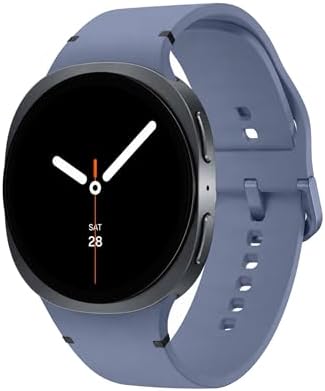
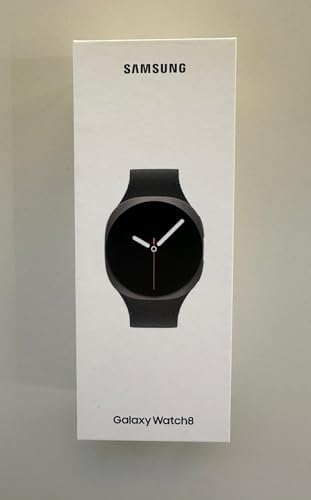
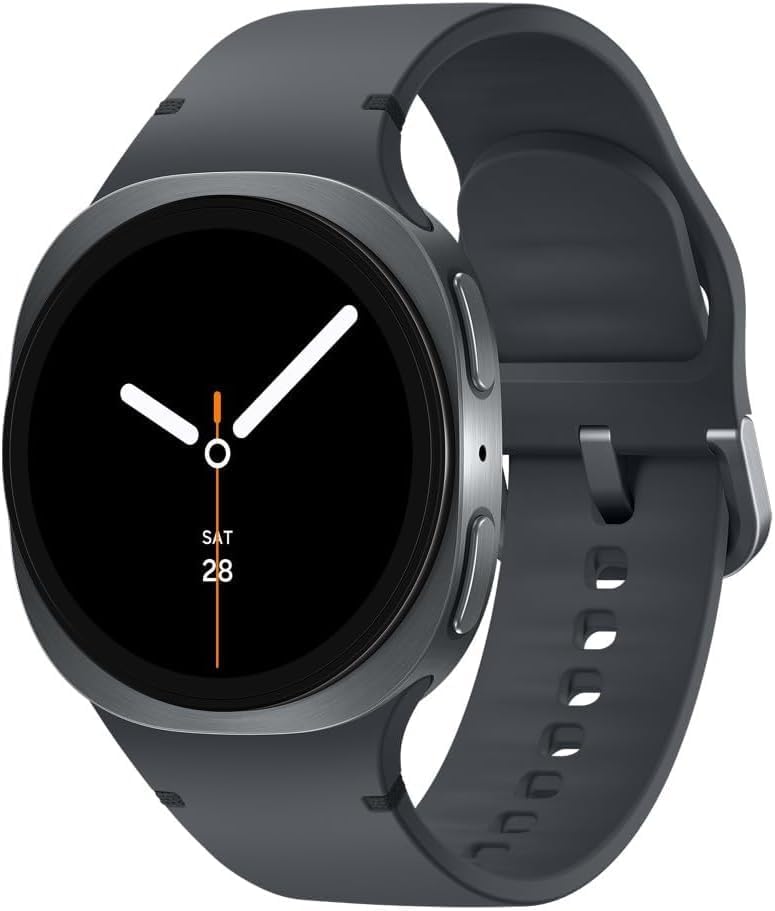
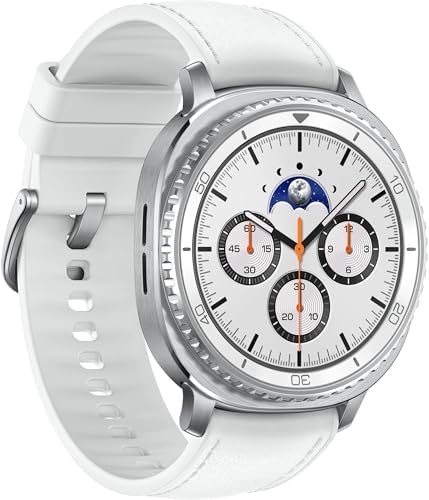
The Samsung Galaxy Watch 8 3.2 cm Graphite 40mm Wi-Fi GPS follows the more conventional smartwatch pattern, requiring a nightly or every-other-night charge under typical use with notifications, health tracking, and occasional GPS workouts. For buyers accustomed to charging a phone every day, this rhythm feels natural. For buyers who want a watch to disappear onto the wrist for a week at a time, the arithmetic favors Garmin decisively.
Display and Case Design at Wrist Level
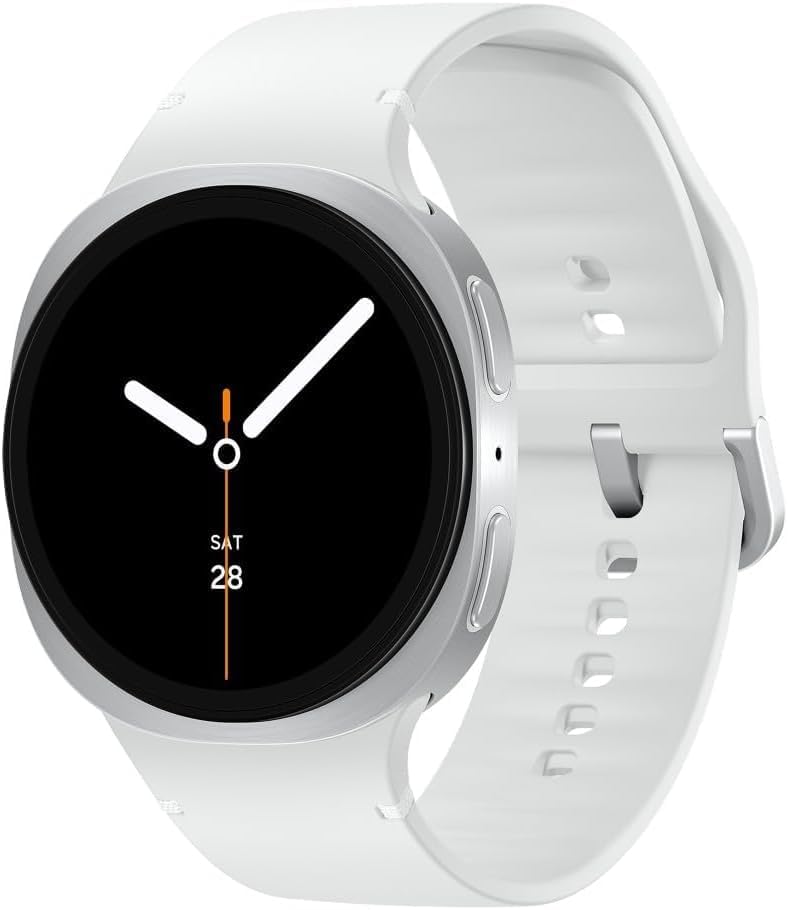
The Galaxy Watch8 uses a 1.3-inch AMOLED panel with a resolution of 438 x 438 pixels, delivering sharp text and rich color that make notifications, maps, and watch faces look polished. The 40mm case and Graphite finish read as understated, and the Wi-Fi plus GPS configuration keeps the watch connected without leaning on a phone for navigation. Samsung positions the Watch8 as a lifestyle device that happens to be fitness capable, and the display quality supports that framing.
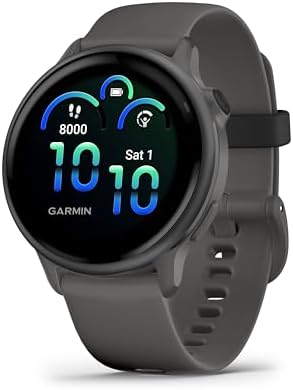
The Vivoactive 6 counters with a 42mm case and its own AMOLED touchscreen, a specification confirmed in Garmin’s own comparison documentation. The slightly larger case suits wrists that find 40mm a touch small, and the AMOLED panel keeps outdoor readability high during bright afternoon runs. Garmin’s design language is functional rather than decorative, with the screen optimized for glancing data fields mid-workout rather than for photo-realistic watch faces.
Training Depth and Sports Coverage
Garmin’s positioning of the Vivoactive 6 centers on breadth of activity support. According to Garmin, the watch includes more than 80 preloaded sports apps, spanning running, cycling, swimming, strength training, and dozens of niche disciplines. That library is paired with Garmin Connect, the companion platform that handles activity history, training load review, and long-term trend analysis. For anyone who rotates between sports or follows a structured training plan, this ecosystem is the primary reason to choose the Vivoactive 6 over a general-purpose smartwatch.
Health monitoring on the Garmin side extends to overnight heart rate variability status and advanced sleep coaching, both of which are documented in Garmin’s official software and manual materials. HRV tracking gives athletes a recovery signal each morning, and sleep coaching translates overnight data into actionable guidance. The Vivoactive 6 collection is built around these continuous-monitoring use cases rather than around app installs.
Samsung Ecosystem and Smart Features
The Galaxy Watch8 leans into its connection with Android phones. Notifications, quick replies, music control, and app access all run through the paired device, and the Wi-Fi radio keeps data syncing fast when a network is available. Health tracking covers heart rate, sleep, and body composition metrics surfaced through Samsung Health, which presents data in a consumer-friendly layout rather than an athlete-first one. The Galaxy Watch8 collection is aimed at people who want a watch that extends their phone rather than replaces their training log.
The trade-off is that this experience is at its best with a Samsung or Android phone nearby. Users on iOS will find the Garmin more accommodating, since Garmin Connect supports both Android and iOS without the same platform dependency. Buyers who switch phones frequently should weigh this carefully, because a smartwatch ecosystem lock-in is easy to underestimate at purchase and frustrating to discover later.
Water Resistance, Durability, and Daily Wear
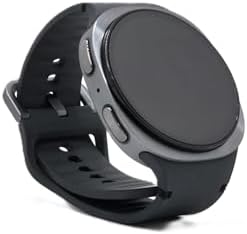
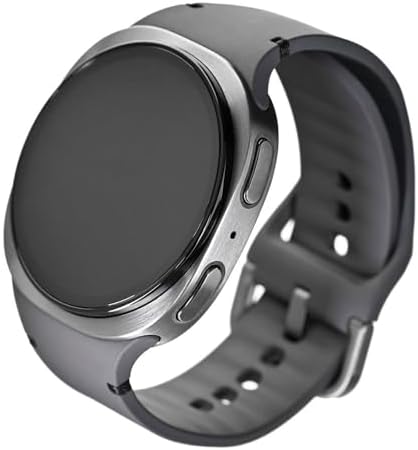
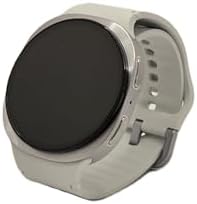
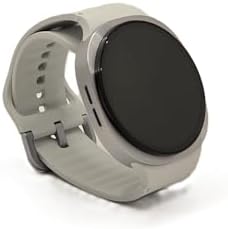
Both watches are designed for everyday exposure to sweat, rain, and handwashing, and both are suitable for pool sessions. The difference shows up in how each is built for abuse. The Samsung model pairs its AMOLED display with a polished Graphite finish that looks refined in an office but shows scuffs more readily on rocky trails. The Garmin v铆voactive 6 Amazon Exclusive 42mm GPS in Pebble Grey is finished for outdoor use, with a muted tone that hides wear from gym equipment and trail debris.
Weight and thickness matter more than spec sheets suggest. A 40mm case with a dense AMOLED panel sits differently on the wrist than a 42mm fitness-first chassis, and buyers who sleep with a watch on should factor in comfort across eight hours. The Vivoactive 6’s multi-day battery makes overnight wear practical without a charging interruption, while the Galaxy Watch8 owner will need to pick a charging window that does not conflict with sleep tracking goals.
Who Should Buy Which Watch
The purchase decision can be reduced to a short set of criteria. Choose the Samsung Galaxy Watch8 if you carry an Android phone, want a sharp AMOLED display for notifications and watch faces, value app access and phone-tethered convenience, and are comfortable charging nightly. Choose the Garmin Vivoactive 6 if battery life measured in days matters more than app depth, if you rotate through multiple sports, if you want HRV and advanced sleep coaching as daily inputs, or if you use an iPhone and need cross-platform support.
There is also a middle path worth considering: buyers who want a fitness-focused watch but prefer a smaller case should look at the Galaxy Watch8 in its 40mm form, which fits slender wrists better than the 42mm Garmin. Conversely, athletes with larger wrists may find the Vivoactive 6’s proportions more stable during high-motion activities like trail running and weightlifting.
The Verdict That Matters at Checkout
Neither watch is universally superior, and any claim otherwise ignores how differently people use wearable technology. The Galaxy Watch8 is the better choice for the connected lifestyle, where a watch is an extension of the phone and the display is part of the appeal. The Vivoactive 6 is the better choice for the training lifestyle, where battery endurance, sport coverage, and recovery data determine whether the watch earns its place on the wrist.
Buyers who prioritize charging convenience, outdoor durability, and multi-day battery will find the Garmin Vivoactive 6 aligns with those priorities directly. Buyers who prioritize display quality, phone integration, and a polished everyday aesthetic will find the Samsung Galaxy Watch8 does the same. The wisest approach is to identify which of those two lists describes your actual week, then let that answer decide the purchase rather than the specification sheet alone.