The Samsung Galaxy Watch 7 and the Garmin Vivoactive 5 approach wrist-worn technology from opposite directions: one is a compact computer for the wrist, the other a training instrument that happens to show notifications. This guide is built as a permanent reference for that decision, weighing the practical trade-offs between the Galaxy Watch7 and the Vivoactive 5 so the choice comes down to how you actually wear a watch, not marketing claims.
| Feature & Selling Point | Samsung Galaxy Watch 7 | Garmin Vivoactive 5 |
|---|---|---|
| Case Size Options | 40mm and 44mm | 42.2 x 42.2 x 11.1 mm (one size) |
| Weight | Approx. 28.8g (40mm) | 23 g |
| Display Technology | Super AMOLED, always-on | AMOLED touchscreen |
| Battery Life (Smartwatch Mode) | Up to 30 hours (always-on) / 40 hours (typical) | Up to 11 days (5 days always-on) |
| Operating System | Wear OS 5 with One UI Watch 6 | Garmin proprietary OS |
| Phone Call Support | Yes (LTE and Bluetooth models) | No (notification and control only) |
| Third-Party App Ecosystem | Extensive (Google Play Store) | Limited (Connect IQ store) |
| GPS and Navigation | Dual-band GPS, route tracking | GPS, GLONASS, Galileo |
| Health Sensors | BioActive sensor (ECG, BIA, heart rate, SpO2) | Heart rate, SpO2, respiration, sleep |
| Sleep Tracking Depth | Advanced sleep coaching, snore detection | Personalised sleep coaching, nap detection |
| Water Resistance | 5 ATM + IP68 | 5 ATM |
| Charging Method | Wireless charging (Qi compatible) | Proprietary charging cable |
| Contactless Payment | Samsung Wallet (NFC) | Garmin Pay (limited bank support) |
| Music Storage | Yes (offline Spotify, local files) | Yes (offline Spotify, local files) |
| Best Suited For | Users wanting a wrist-based phone extension | Runners and health-focused users prioritizing battery |


The table makes the central tension clear: the Vivoactive 5 wins on endurance and weight, while the Galaxy Watch 7 wins on connectivity and app depth. Those two rows alone explain why buyers rarely cross-shop these devices by accident. The rest of this guide works through the consequences of that split in daily use, so the final decision rests on which set of trade-offs you can live with for two or three years.
Design, Build, and Wrist Presence
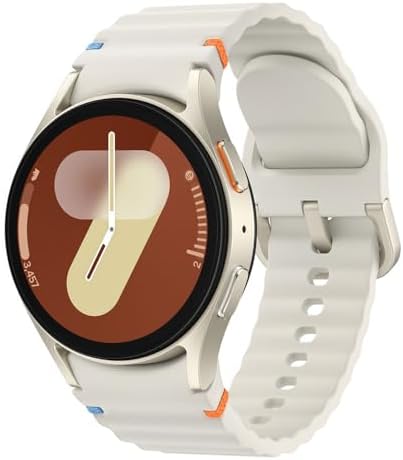
The Samsung Galaxy Watch 7 is offered in 40mm and 44mm case sizes, giving buyers a choice between a more compact profile and a larger canvas for notifications. The Super AMOLED display is bright and responsive, and the always-on mode is well implemented. The watch carries a premium feel with its aluminum or stainless steel options, though the 40mm variant weighs approximately 28.8 grams, which is noticeably heavier than the Garmin alternative.
The Garmin Vivoactive 5 measures 42.2 x 42.2 x 11.1 mm and weighs just 23 grams, per Garmin’s official specifications. This lower weight is a direct result of the polycarbonate case construction and a focus on function over luxury materials. On the wrist, it disappears during runs and sleep tracking, which is a meaningful advantage for users who wear their watch overnight. The silicone strap is standard, and the AMOLED display is bright and legible in sunlight.
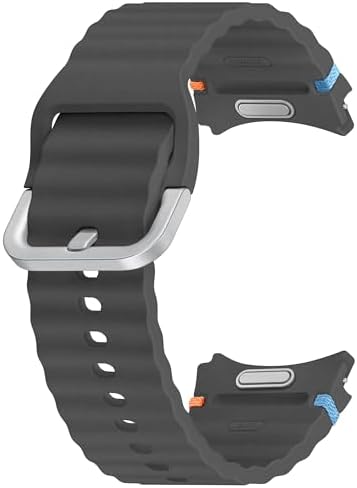
For those who prefer a more traditional timepiece aesthetic, the Galaxy Watch 7 offers optional fabric and leather bands that dress it up well. The Vivoactive 5 is more clearly a fitness tool, and it does not attempt to pass as a dress watch. Neither device is a poor choice here; the decision comes down to whether you want a watch that looks at home in a boardroom or one that vanishes during a marathon.
Fitness Tracking and Health Features
The Garmin v铆voactive 5 AMOLED GPS All-day Black is built around health monitoring and fitness metrics. Garmin’s official documentation lists all-day health monitoring, advanced fitness features, and personalised sleep coaching as core capabilities. The device tracks heart rate, blood oxygen, respiration, and sleep stages, and it includes a nap detection feature that logs short rests during the day. For runners, cyclists, and swimmers, the GPS accuracy and battery longevity are the decisive factors.
The Samsung Galaxy Watch 7 counters with the BioActive sensor, which includes ECG capability, body composition analysis (BIA), and improved heart rate tracking. Samsung positions the Watch 7 as a comprehensive health companion, and the ECG feature is a meaningful addition for users who want to monitor heart rhythm. However, the fitness tracking suite, while competent, does not match the depth of Garmin’s activity profiles and recovery metrics.
In practical terms, the Vivoactive 5 is the better choice for structured training. It offers more granular data on performance and recovery, and the battery life means you can wear it for a full week of workouts without charging. The Galaxy Watch 7 is better suited to general wellness tracking and casual exercise, where its richer app integration and larger display make it easier to interact with notifications and media.
Smart Features and Ecosystem Integration
Buyers who want a wrist-based extension of their phone should look closely at the Samsung Galaxy Watch 7 EU 40mm beige, which runs Wear OS 5 with Samsung’s One UI Watch 6 overlay. This means full access to the Google Play Store, including apps like Google Maps, Spotify, and various productivity tools. The watch supports phone calls, text messaging, and contactless payments via Samsung Wallet. For Android users, particularly those with a Samsung phone, the integration is deep and intuitive.
The Garmin Vivoactive 5 runs a proprietary operating system that is more limited in third-party app support. It handles notifications, music storage, and Garmin Pay, but it does not support phone calls or a full app store. The trade-off is battery efficiency and stability: the Vivoactive 5 rarely needs a restart, and its interface is designed to be navigated with minimal fuss.
A key consideration is phone compatibility. Both watches work with Android and iOS, but the Galaxy Watch 7’s feature set is more fully realized on Android, particularly with Samsung phones. The Vivoactive 5 offers a more consistent experience across both platforms, though iOS users will miss some messaging reply options. If you rely on your watch for calls and app access, the Galaxy Watch 7 is the clear choice. If you want a fitness-first device that handles notifications without distraction, the Vivoactive 5 is the more focused tool.
Battery Life and Charging
According to Garmin’s official product page, the Vivoactive 5 offers up to 11 days of battery life in smartwatch mode, or 5 days with the always-on display enabled. This is a significant advantage for users who travel frequently, camp, or simply dislike the routine of daily charging. The proprietary charging cable is a minor annoyance, but the extended battery life more than compensates for it.
The Galaxy Watch 7, by contrast, requires daily charging. Samsung’s official estimates place battery life at up to 30 hours with the always-on display active, stretching to around 40 hours under typical conditions. Wireless charging is a convenience, and the watch is compatible with Qi chargers, including some Samsung phone reverse wireless charging features. However, the shorter battery life is a real limitation for anyone who wants to wear the watch overnight for sleep tracking without recharging in the morning.
The decision here is straightforward: if you prioritize battery longevity and minimal charging hassle, the Garmin Vivoactive 5 is the stronger option. If you are willing to charge nightly in exchange for a more capable smartwatch experience, the Galaxy Watch 7 justifies the trade-off.
Which Smartwatch Should You Buy?
The choice comes down to your primary use case. The Vivoactive 5 is the better purchase for runners, hikers, and health-focused users who value battery life, low weight, and detailed fitness metrics. It is also the more practical choice for sleep tracking, thanks to its multi-day battery and lighter profile. For buyers exploring Garmin, this model sits at the entry point of its health-tracking range rather than the top of its training hierarchy.
The Galaxy Watch 7 is the more compelling option for users who want a smartwatch that can handle calls, apps, and contactless payments. It is also the better fit for Samsung phone owners who want a cohesive ecosystem experience. The health features, including ECG and body composition analysis, are meaningful additions for users who track overall wellness rather than structured athletic performance. Buyers comparing Samsung wearables will find this generation a clear step up in health sensing from earlier models.
For the fitness-first buyer, the Vivoactive 5 trades app flexibility for endurance and focus, a fair exchange for anyone who runs, swims, or hikes more than they scroll. For the connected buyer, the Galaxy Watch 7 accepts daily charging in return for a fuller wrist-based computing experience, which suits those who value calls, payments, and apps above a week away from a charger. Neither watch is a compromise; each is simply optimized for a different owner.