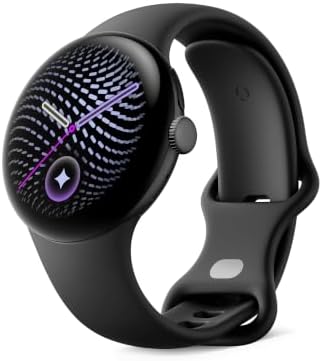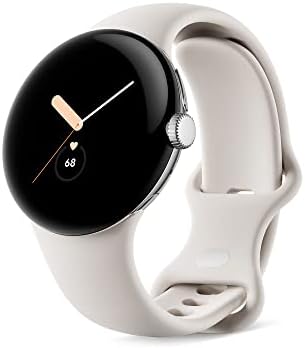
The Google Pixel Watch 5 and the Samsung Galaxy Watch Ultra2 occupy opposite corners of the modern smartwatch market, yet they compete for the same wrist. One is a compact, round-faced everyday companion; the other is a titanium-clad adventure instrument with an 800 mAh battery to match. This guide is written for buyers making a real purchase decision, not for readers skimming a spec sheet. Each section below translates verified specifications into the trade-offs that actually decide a purchase: how a device sits on a 150 mm wrist, what a 60-hour rating means when GPS is running, and whether 10 ATM matters if the pool is the deepest water a watch will ever see.
| Feature and Selling Point | Google Pixel Watch 5 | Samsung Galaxy Watch Ultra2 |
|---|---|---|
| Case Size | 41 mm | 47 mm |
| Case Material | Aluminum with domed glass | Titanium |
| Display | Domed, edge-to-edge glass | Flat sapphire crystal |
| Rated Battery Life | Roughly one day per charge | Up to 60 hours, 800 mAh |
| Water Resistance | 5 ATM | 10 ATM, IP69K |
| Connectivity | Wi-Fi, Bluetooth | LTE, Bluetooth, dual-band Wi-Fi |
| Satellite Positioning | Multi-band GNSS | Dual GPS L1 plus L5 |
| Contactless Payments | Google Wallet | Samsung Wallet via NFC |
| Health Platform | Fitbit, with Gemini assistant support | Samsung Health |
| Sleep and Recovery Tools | Fitbit sleep score and readiness | Samsung sleep coaching and tracking |
| Outdoor and Dive Features | Basic swim and workout modes | Trail running, diving, cycling profiles |
| Charging Cadence | Nightly top-up habit | Every two to three days |
| Warranty Positioning | Standard Google coverage | Three-year warranty stated |
| Best Suited To | Small wrists, light daily wear | Outdoor sport, multi-day trips |
The table above exposes the most consequential gap: endurance. Samsung states that the Galaxy Watch Ultra2 carries an 800 mAh battery rated at up to 60 hours, which changes the charging ritual entirely, while the Pixel Watch 5 is built around a one-day cycle that suits shower-time top-ups. The second decisive row is size. A 47 mm titanium case and a 41 mm aluminum case are not styling variations; they ask different wrists, different sleeves, and different sleeping habits from their owners.
Case Size and Wrist Presence
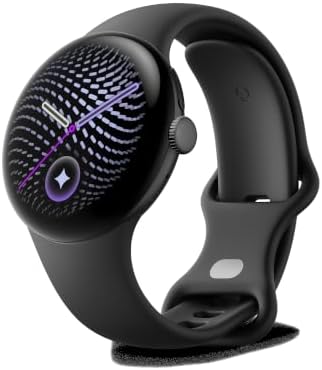
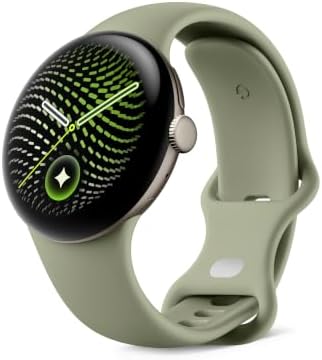
Choosing between these two begins with a tape measure, not a spec debate. The Google Pixel Watch 5 keeps a rounded profile that clears a shirt cuff and disappears under a jacket sleeve, which makes it the easier watch to keep on through a working day and through sleep. The 41 mm case reads as restrained on almost any wrist, and the domed display gives the face a soft, pebble-like curve rather than a flat instrument panel.
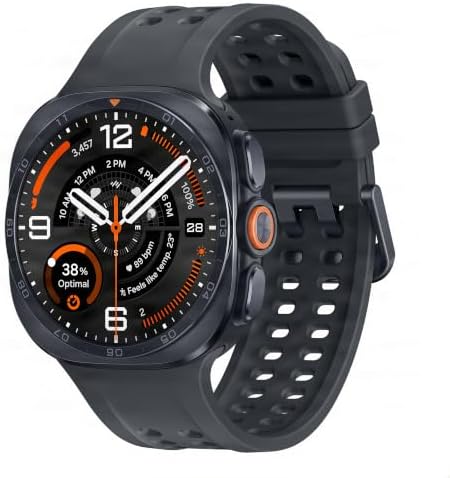
The Galaxy Watch Ultra2 takes the opposite route. A 47 mm titanium case with a raised bezel is a deliberate statement, and Samsung’s own materials page lists titanium alongside a 10 ATM and IP69K durability rating, a combination that signals the case is doing protective work rather than decorative work. Buyers with wrists under roughly 160 mm should try one before committing; the case is wide enough to overhang a narrower wrist, and the extra mass is noticeable during running.
- Pixel Watch 5: 41 mm, aluminum, domed glass, discreet under cuffs
- Galaxy Watch Ultra2: 47 mm, titanium, flat sapphire, prominent on the wrist
- Practical check: measure wrist width flat across the top, not circumference
Battery Endurance and Charging Habits
A battery rating is really a description of a lifestyle. The Galaxy Watch Ultra2 carries an 800 mAh cell that Samsung rates at up to 60 hours, and even with GPS workouts, always-on display, and LTE connected, the realistic routine lands somewhere between two and three days. That means a weekend trip without a charger is manageable, and a night away needs no cable. For hikers, trail runners, and anyone who sleeps away from a wall socket regularly, this is the single strongest argument in the Ultra2’s favour.
The Pixel Watch 5 operates on a different rhythm. Owners should plan on charging daily, typically during a shower or while reading in the evening, and this habit works well for desk-based users who simply want sleep tracking overnight. The trade-off is real: a 41 mm aluminum case cannot house an 800 mAh battery, and Google has prioritised a slimmer footprint over multi-day endurance. Buyers who travel frequently should weigh that honestly against the size advantage.
Durability, Water Resistance, and Outdoor Use
Water resistance numbers separate these watches more clearly than any other specification. Samsung lists the Galaxy Watch Ultra2 at 10 ATM and IP69K, plus titanium construction, which supports swimming, snorkelling, and pressure-wash conditions at the level of a proper dive instrument. For the Samsung Galaxy Watch Ultra2, the relevant question is not whether the watch survives a pool but whether the activity profiles match the sport: trail running, diving, and cycling are called out explicitly in Samsung’s positioning.
The Pixel Watch 5 sits at 5 ATM, which covers showers, swimming in a pool, and rain without concern, but does not invite depth. That is the correct rating for a watch designed for daily fitness tracking, gym sessions, and commuting, and it is honest about the envelope. Buyers who dive, sail offshore, or regularly take a watch into rough surf should treat the Ultra2’s 10 ATM as a functional requirement rather than a bonus.
Health Tracking, Sleep Metrics, and Assistant Features
The software divide is cleaner than the hardware divide, and it rarely changes. The Pixel Watch 5 runs on Google’s platform with Fitbit health metrics underneath, and Google positions the watch with Gemini assistance built in, which suits users already living inside Gmail, Calendar, and Google Maps; that ecosystem integration is the practical advantage, not a marketing line. Fitbit’s sleep scoring and readiness signals remain among the more readable recovery tools on any platform, though they reward consistent wear.
The Galaxy Watch Ultra2 leans on Samsung Health, with sleep coaching and detailed activity breakdowns, and it is the better fit for a household already using Galaxy phones, tablets, or Samsung’s fitness ecosystem. Neither platform is objectively superior; the deciding test is which phone is in the pocket, because cross-platform pairing strips away features on both sides.
Connectivity, Positioning, and Everyday Practicality
Samsung’s spec sheet for the Galaxy Watch Ultra2 documents LTE and Bluetooth together with Wi-Fi on both 2.4 GHz and 5 GHz bands, dual GPS using L1 plus L5 signals, and NFC for payments. Dual-band positioning matters in dense city streets and canyon trails where single-band receivers drift, and standalone LTE means a run without a phone still carries music, calls, and emergency contact. The Samsung wearable lineup is the clearest expression of its outdoor brief.
The Pixel Watch 5 pairs over Wi-Fi and Bluetooth with multi-band GNSS for route tracking, and Google Wallet handles contactless payments on the wrist. For buyers who carry a phone on most runs and rarely leave coverage, this is sufficient; the missing piece is independence, not accuracy.
Who Should Buy Which Watch
The purchase decision reduces to three questions. First, wrist size: anyone under roughly 160 mm should lean toward the Pixel Watch 5, where the 41 mm case and domed glass sit naturally. Second, charging tolerance: buyers who will not top up a watch nightly, or who travel and hike away from power, should choose the Galaxy Watch Ultra2 and its 800 mAh, 60-hour rating. Third, water exposure: pool swimmers are fine with 5 ATM, while divers and open-water athletes need the 10 ATM and IP69K rating of the Samsung model.
There is also a value layer worth noting. Samsung attaches a three-year warranty to the Ultra2, which softens the higher outlay for a titanium, LTE-equipped watch, while the Pixel Watch 5 competes on compact comfort and Google ecosystem depth. Neither is a compromise purchase; they are tools cut for different jobs. Examining Google’s wearable line alongside Samsung’s outdoor range makes the split obvious within minutes of handling both.
The honest summary is that these watches are not rivals so much as answers to different questions: one asks how little a smartwatch can weigh on the wrist while still tracking sleep, heart rate, and payments, and the other asks how much capability can be built into a titanium case that survives a dive, a trail, and a weekend without a charger. Buyers who answer the first question should choose the smaller watch and never look back; buyers who answer the second will find the Ultra2’s endurance and rating sheet hard to argue with. Matching the spec sheet to the actual week, rather than to the imagined adventure, is what separates a satisfying purchase from a regretful one, and either watch rewards that discipline with years of dependable wear.