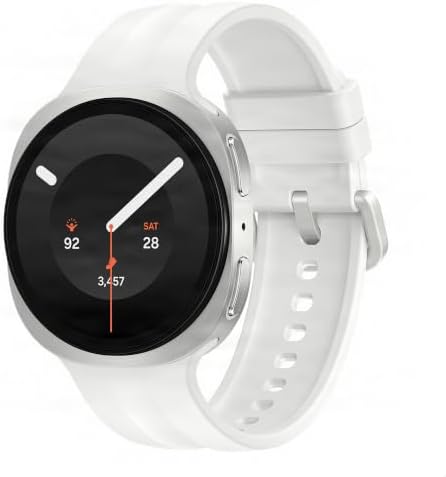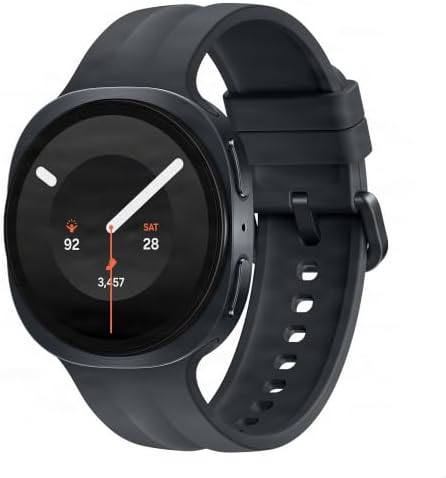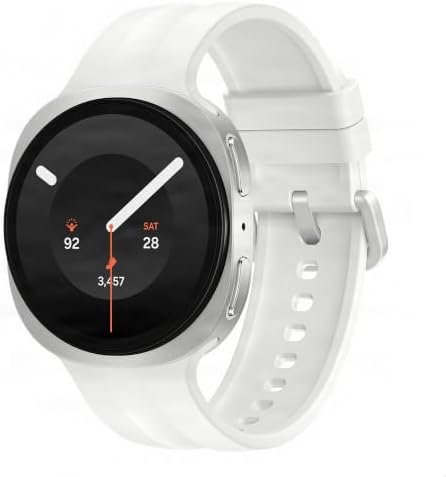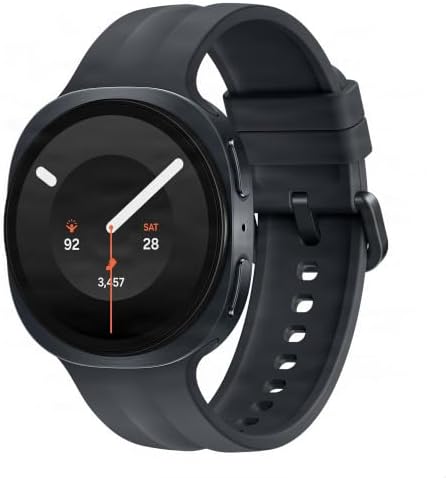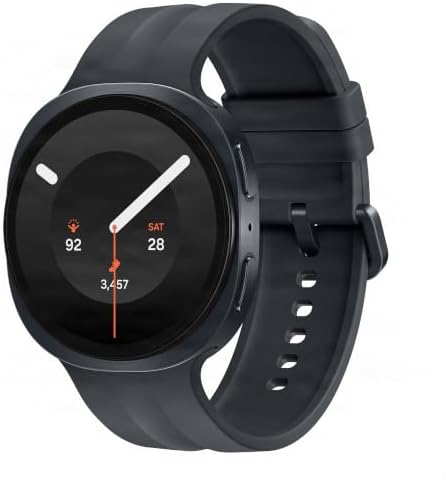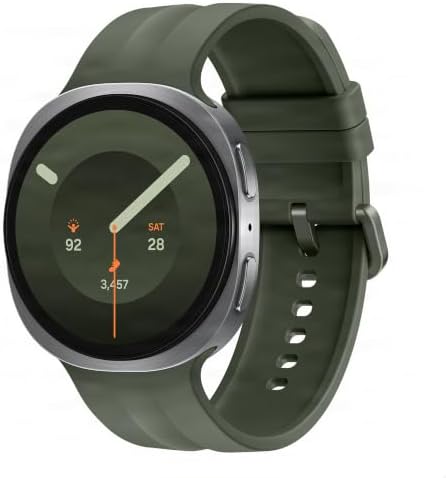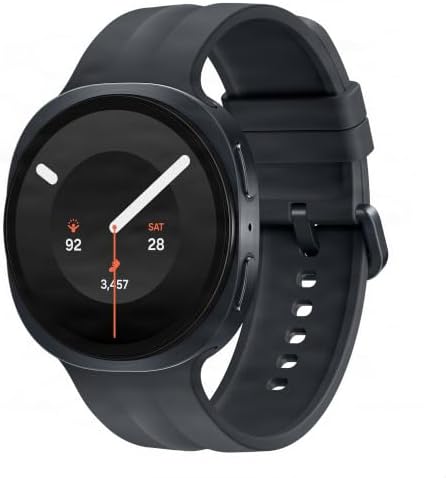
The Galaxy Watch9 series and the Galaxy Watch Ultra2 collection sit at opposite ends of Samsung’s smartwatch strategy, and the gap between them is wider than a single spec sheet suggests. One is engineered for all-day wearability and accessible health coaching, the other for titanium-tough outdoor performance. This guide is designed to be kept as a reference for that decision, working through the specifications that genuinely shift a purchase rather than the marketing lines wrapped around them.
| Feature & Selling Point | Galaxy Watch9 | Galaxy Watch Ultra2 |
|---|---|---|
| Case Size Options | 40mm and 44mm | 47mm only |
| Display Panel | 1.34-inch (438 x 438) on 40mm; 1.47-inch (480 x 480) on 44mm, Super AMOLED | Super AMOLED, up to 3,000 nits |
| Battery Capacity | 390 mAh (40mm) / 445 mAh (44mm) | 800 mAh (typical) |
| Case Material | Cushion design, standard finish | Titanium |
| Weight | 43.7g (approx.) | Heavier build for rugged use |
| Processor Platform | Snapdragon Wear Elite Platform | Wear OS powered by Samsung |
| Memory and Storage | Standard RAM and storage tiers | 2 GB RAM, 64 GB internal storage |
| Connectivity | LTE variants available | LTE variants available |
| Health Sensors | BioActive sensor with AI-powered sleep and heart coaching | BioActive sensor with advanced health tracking |
| Outdoor Focus | Everyday fitness and wellness | Trail running, diving, cycling, GPS navigation |
| Durability Positioning | Lifestyle-oriented protection | Rugged titanium for harsh environments |
| Best Suited To | All-day wear, office and casual use | Athletes, adventurers, long missions |
| Warranty | 3 Year Warranty (UK Version) | 3 Year Warranty |
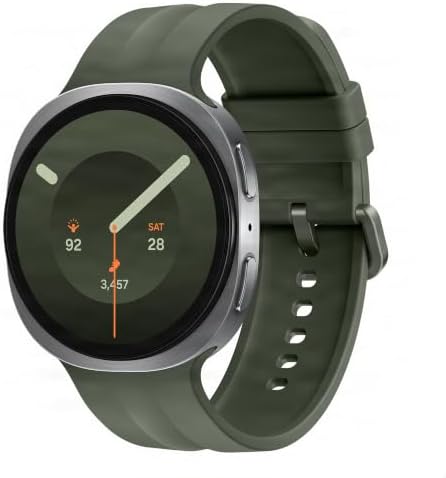
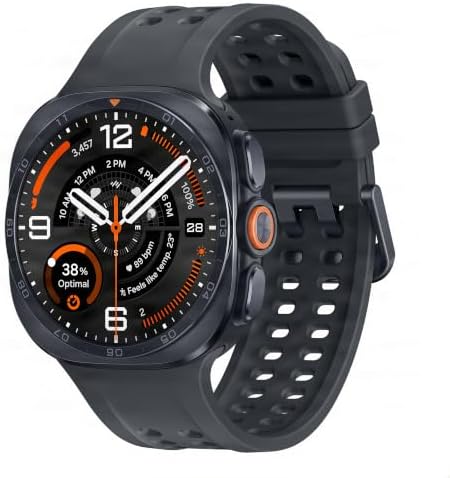
Two rows in that table carry most of the decision weight. The Galaxy Watch Ultra2 is built around an 800 mAh cell, while the Galaxy Watch9 runs on 390 mAh to 445 mAh depending on case size. The other divider is physical: the Watch9 offers 40mm and 44mm options for smaller wrists, while the Ultra2 commits to a single 47mm titanium format. Almost every other difference flows from those two choices.
Design Priorities: Titanium Armour Versus Wearable Cushion
Samsung positions the Galaxy Watch Ultra2 as a GPS smartwatch built for adventure use, and the titanium case is central to that positioning. Titanium resists corrosion, keeps weight manageable for its bulk, and absorbs knocks that would scar softer housings. Whether that engineering matters depends entirely on where the watch spends its time. For desk work, commutes, and weekend errands, the extra protection buys little.
The cushion profile of the Samsung Galaxy Watch9 AI 44mm leans the other way. Its 44mm case is lighter and keeps a lower profile under a shirt cuff, which makes it the more comfortable of the two across a ten-hour working day. At roughly 43.7g, the Watch9 stays unobtrusive during sleep tracking, an area where many buyers only discover fit problems after the return window closes.
Wrist size is often the deciding factor before any spec sheet is read. A 47mm case with a titanium bezel dominates a narrow wrist, while the 40mm Watch9 is a realistic option for smaller frames that the Ultra2 simply cannot serve. It is worth measuring an existing watch across the lug-to-lug distance rather than guessing from the number alone.
Battery Life and the Real Cost of Always-On Tracking
Battery capacity changes how a smartwatch is used, not just how long it runs. The 800 mAh cell inside the Samsung Galaxy Watch Ultra2 supports multi-day stretches away from a charger, and Samsung includes the long battery life as part of the model’s appeal for extended outdoor sessions. Continuous GPS recording, always-on heart tracking, and sleep monitoring all draw on the same reserve, so a larger cell translates directly into more tolerance before the watch starts trimming features.
The smaller cells in the Galaxy Watch9 range push users toward a nightly charging routine. For many people this is not a drawback; a device that sleeps on the bedside charging puck also wakes fully charged for the commute. The gap only becomes decisive when tracking also needs to continue through travel days, long-distance flights, or overnight hiking, where the Ultra2’s larger reserve is the practical answer.
Buyers who disappear off-grid for days at a time sit firmly in the Ultra2 camp, while routine-based users whose week follows predictable patterns and whose charging habits are already fixed will rarely notice the difference.
Display, Processor, and Everyday Responsiveness
Samsung’s official comparison lists the Watch9 with a 1.34-inch Super AMOLED panel on the 40mm and a 1.47-inch Super AMOLED panel on the 44mm, while the Ultra2 display is rated at up to 3,000 nits. Brightness headroom of that order supports readability in direct summer sunlight, a meaningful advantage for mountain trails, open water swims, and road cycling where glare is unavoidable.
Under the glass, the chip platform shapes long-term usability. The Galaxy Watch9 runs on the Snapdragon Wear Elite platform and is described by Samsung as an AI smartwatch, with the BioActive sensor feeding sleep coaching and heart management features. The Watch Ultra2 pairs Wear OS powered by Samsung with 2 GB of RAM and 64 GB of internal storage, giving offline media, map data, and workout history plenty of room without management chores.
Both watches carry LTE variants, so buyers who want phone calls, messages, and streaming without carrying a handset can choose either model. The difference lies in how the storage and processing budget is spent: the Ultra2 favours capacity for offline content during long activities, while the Watch9 concentrates on making daily health insights responsive and quick to load.
Health Sensing and AI Coaching Across Both Models
Samsung states that AI-powered health features sit at the core of both the Galaxy Watch Ultra2 and the Galaxy Watch9, with the BioActive sensor capturing the raw signals that support coaching and wellbeing prompts. In practice the sensing hardware shares a common foundation, so the wellness experience is closer than the price gap might suggest.
What separates the two is which of those insights gets emphasised. The Watch9 tracks daily sleep and heart coaching, encouraging recovery habits between workdays. The Ultra2 frames the same sensor data around fitness and expeditions, which is why trail running, diving, and cycling appear in Samsung’s own description of the model. The sensor is shared; the priorities are not.
Anyone focused on sleep quality, recovery, and general cardiovascular awareness will find the Watch9 delivers the essential metrics without excess. Training-focused users need the outdoor context around those numbers, and the extra navigational and durability features matter more than raw sensor parity.
Pace, Distance, and the GPS Workload Argument
Trail running and cycling punish a smartwatch in ways office life does not: sustained GPS locks, variable stride cadence, and constant elevation changes. The 800 mAh cell and titanium housing of the Samsung Galaxy Watch Ultra2 47mm Titanium are designed for exactly that workload, giving long outings room to begin and caching content away from a phone signal. For open-water swimming and shore diving, the rugged build also reduces the risk of case damage during entry and exit.
The Watch9 is capable of running and cycling tracking, but the restrained cell size means long GPS sessions demand careful charging beforehand. That trade remains entirely acceptable for gym work, treadmill intervals, and commuting runs, where a session rarely lasts beyond the watch’s comfortable range.
Display Brightness and Readability Outdoors
Sunlight exposes weak displays faster than any other condition. The Ultra2’s up-to-3,000 nits panel keeps pace and metrics legible in direct midday glare, while the Watch9’s Super AMOLED screens perform well in typical daily conditions. Both support always-on awareness, but only the Ultra2 is specifically advertised with such high brightness headroom.
For urban runners who train in the early morning or evening, this difference rarely surfaces. For hikers navigating exposed ridgelines and cyclists on coastal roads, visibility becomes less about preference and more about safety.
Storage, Media, and Time Away From the Phone
The 64 GB of internal storage on the Ultra2 gives it a distinct role as an offline media and mapping reservoir. Downloaded playlists, saved route tiles, and complete workout libraries can live on the watch without syncing pressure. That matters on ferries, in mountain huts, and anywhere a reliable connection is unavailable.
The Watch9 approaches storage from the opposite direction, prioritising efficient syncing with a paired phone. Users who carry a handset throughout the day will seldom notice the tighter capacity, while those who deliberately leave the phone behind will feel it quickly.
Case Size, Fit, and the Wrists That Each Watch Serves
Samsung’s 40mm and 44mm Watch9 options accommodate slimmer wrists, sleep-tracking preferences, and layers of clothing. The 47mm Ultra2 is a different proposition: built to be noticed, with a mass that reinforces its outdoor credibility but fills a cuff. Trying either on before committing matters more than the specification table suggests, because a device that does not sit comfortably will not be worn at night.
The same logic applies across the Samsung lineup, where the case-size decision consistently outranks chipset or feature selection for long-term satisfaction. Both flexible sizing formats and tougher external builds exist across the range, and no single fit suits every wrist.
Following the specs comparison and the practical differences above, the choice resolves into three criteria: wrist size, exercise type, and charging habits. Readers who find their priority in the table should trust that column rather than the marketing around it. The characteristics deciding the purchase are simple and durable: 40mm-to-44mm flexibility versus a committed 47mm format, a titanium shell versus a cushion profile, and a large battery reserve versus a lightweight daily package. Samsung built two distinct devices, and the better buy is the one whose compromises land where they will never be felt.