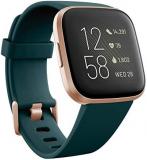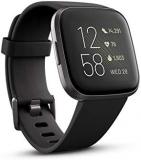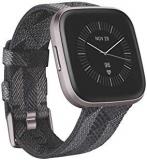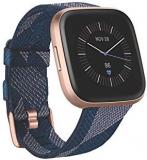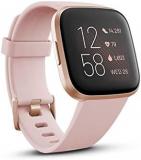
Choosing between the Fitbit Versa 2 and the Fitbit Sense is a common dilemma for anyone looking to invest in a premium health and fitness smartwatch. Both models have carved out distinct identities within the Fitbit ecosystem, catering to slightly different priorities. The Versa 2, known for blending style with essential wellness tracking, has long been a favourite for everyday wear. In contrast, the Sense represents a significant leap with advanced sensor technology aimed at users keen on holistic health management. This detailed comparison breaks down every crucial difference, providing a clear, expert-led analysis designed to simplify a well-informed purchase decision.
| Feature & Selling Point | Fitbit Versa 2 | Fitbit Sense |
|---|---|---|
| Release Year | 2019 | 2020 |
| Display | 1.39-inch AMOLED (always-on optional) | 1.59-inch AMOLED (always-on optional) |
| Built-in GPS | No (Connected GPS via phone) | Yes (Built-in) |
| Health Sensor (EDA) | No | Yes |
| Health Sensor (ECG) | No | Yes |
| Skin Temperature Tracking | No | Yes |
| Voice Assistant | Amazon Alexa Built-in | Amazon Alexa Built-in |
| Battery Life | Up to 7 days | Up to 6 days |
| Storage & Music | Deezer & Pandora controls | Deezer & Pandora controls |
| Water Resistance | 50 metres | 50 metres |
| Best For | All-day style with essential tracking | Advanced health monitoring |
| Case Material | Aluminium & resin | Stainless steel with aluminium |
Best-Matched Comparison Picks
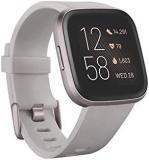
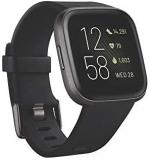
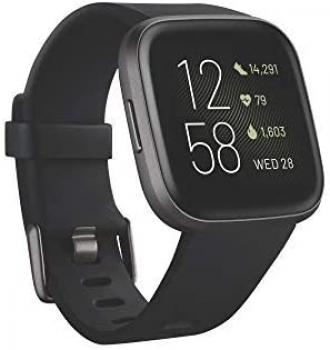
Fitbit Versa 2 Health & Fitness Smartwatch with Voice Control, Sleep Score & Music See Price on Amazon.co.uk
The table reveals a clear divide: the Versa 2 prioritizes battery longevity and a streamlined approach, while the Sense introduces serious health-tracking hardware like an ECG and EDA sensor, albeit with a slightly shorter battery life. For those focused on comprehensive wellness data, the Sense’s extra sensors are the key differentiator.
Design Philosophy and Everyday Wearability
The aesthetic approach of each watch reflects its primary user. A smartwatch like the Versa 2 uses a familiar, rounded square design that feels more like classic jewellery. Its lightweight aluminium case and comfortable band options make it a subtle companion for formal meetings or casual evenings. Many users appreciate how it slides under a dress shirt cuff without adding bulk. The Sense, while sharing a similar silhouette, adopts slightly more robust dimensions, measuring 1.59 inches across the AMOLED display, and often features a stainless steel bezel that gives it a distinctly modern, premium heft. The choice here comes down to personal style: the Versa 2 nods to tradition, while the Sense projects advanced technological intent. Both support a variety of swappable bands, allowing for significant customisation regardless of selection.
Health Tracking Precision and Advanced Features
This is the area where the two models diverge most significantly. The Fitbit Versa 2 covers all the foundational wellness metrics known to the brand: 24/7 heart rate monitoring, sleep staging with a Sleep Score, Active Zone Minutes, and female health tracking. It relies on connected GPS, meaning a user cannot map an outdoor run accurately without a connected phone. The Sense, on the other hand, was engineered to be Fitbit’s most advanced health watch. The inclusion of an electrodermal activity (EDA) sensor allows for stress management scans, a key tool for monitoring the body’s response to daily pressure. Critically, the Sense packs an FDA-cleared electrocardiogram (ECG) app that can assess heart rhythm for signs of atrial fibrillation. Combined with a built-in GPS for untethered outdoor tracking and a skin temperature sensor, it acts as a miniature health laboratory on the wrist. While the Versa 2 remains perfectly capable for general fitness, the Sense opens up a paradigm of proactive wellness management.
Stress Management and the EDA Advantage
One of the most compelling exclusive features on the Sense is the EDA sensor. Managing stress through wearable feedback has become a defining goal for modern devices. On the Sense, a quick on-demand EDA scan involves placing a palm over the watch face for a few minutes, measuring tiny electrical changes in sweat glands that correlate with the body’s stress response. This data powers the device’s Stress Management Score, directly linking sensor output to actionable lifestyle guidance. The emphasis on mental well-being with this watch provides an invaluable daily alert to reflect and adjust habits. No equivalent feedback loop exists on the Versa 2, making the Sense particularly appealing to users actively navigating high-pressure lifestyles. For those exploring similar options, a device like the Sense 2 with enhanced sensors could also be worth investigating.
Battery Life and Daily Practicality
Usability in day-to-day life often hinges on power management. The Fitbit Versa 2 has a slight edge here, offering up to seven days on a single charge under typical usage. Even with the always-on display active, real-world performance comfortably exceeds three to four days. For someone who values low-friction charging routines, this extended longevity is a strong convenience factor. The Sense, burdened by its more power-hungry sensors and always-active GPS components, delivers up to six days in standard mode. Reducing features like continuous heart rate or disabling the always-on display might extend this further. Both watches feature quick-charging capabilities, but the Versa 2 provides a welcome buffer during busy travel weeks. Ultimately, the choice lies between maximum uptime and maximum functionality, a clear trade-off many will weigh.
Smart Features and Daily Integration
Both smartwatches bridge the gap between fitness and daily life by integrating a shared core of smart features. Each model supports smartphone notifications, quick replies on Android, calendar integration, and onboard music controls for Deezer and Pandora. Amazon Alexa is built into both, allowing users to set timers, control smart home devices, and check the weather hands-free. On-device payment via Fitbit Pay is available on the Sense but is notably absent from the standard Versa 2 edition, marking one of the few software-based differentiations. For individuals relying on quick-contactless payments during a morning run or retail trip, the Sense holds a minor practical advantage. A high-performance fitness tracker like the Charge 6 for contactless payments also carries this feature, showing it has become increasingly standard in the upper tiers of the range.
Selecting the Right Fitbit for Your Lifestyle
Making a final decision requires pairing personal priorities with the capabilities of each watch. The Fitbit Versa 2 remains an excellent candidate for the user who wants polished style, reliable everyday activity tracking, long battery life, and a lower entry cost. It caters perfectly to someone who uses a gym machine indoors, takes leisurely walks, and seeks a gentle nudge toward better sleep. The Fitbit Sense is purpose-built for the dedicated wellness enthusiast or someone with specific health monitoring requirements. The addition of an ECG, EDA sensor, skin temperature tracking, and built-in GPS represents a serious toolkit for gathering deep personal data. For the user who demands physiological insights and the autonomy to track routes away from a phone, the Sense justifies its higher positioning through sheer sensory depth. Each watch is an excellent representative of Fitbit’s core philosophy, merely aimed at two different chapters of the same health journey. The final choice will depend entirely on how closely one values the deeper insights offered by the advanced sensor suite. To explore the full breadth of options, including Fitbit brand innovations, the entire collection offers something for every type of user.