Choosing between a streamlined fitness tracker and a comprehensive health smartwatch often depends on the balance between simplicity and advanced features. The Fitbit Charge 5 and the Fitbit Sense represent two distinct approaches within the wearable market, with the former focusing on essential fitness tracking and the latter offering a deeper dive into health metrics along with smartwatch capabilities. This professional guide provides a clear, data-driven comparison to assist in making a well-informed purchase, ensuring the selected device aligns perfectly with personal wellness and lifestyle goals.
| Feature & Selling Point | Fitbit Charge 5 | Fitbit Sense |
|---|---|---|
| Form Factor | Slim, band-style tracker | Full smartwatch |
| Key Health Sensor | EDA (Electrodermal Activity) sensor | EDA sensor + Skin temperature |
| Stress Management | Daily Stress Score | Daily Stress Score + EDA scan app |
| GPS | Connected & Built-in GPS | Connected & Built-in GPS |
| Sensors | 3-axis Accelerometer, HR, SpO2, EDA | HR, SpO2, EDA, Skin temperature, Altimeter |
| Battery Life (typical) | Up to 7 days | 6+ days |
| Display | Color AMOLED | Color AMOLED |
| Water Resistance | 50 meters | 50 meters |
| Heart Health | High/Low HR notifications, ECG | High/Low HR notifications, ECG, Afib detection |
| Smart Features | Notifications, Timers | Built-in speaker/mic, Voice Assistant, Apps |
| Skin Temperature | Not available | Included |
| Goal | Fitness & Well-being | Advanced Health & Smartwatch Lifestyle |
| Price Point | More affordable | Higher / Premium |
| Collectibility | Focused tracker | Flagship model |
The most critical difference lies in the chassis design and the advanced sensor suite of the Sense, which includes skin temperature sensing and a built-in microphone for on-wrist calls, setting it apart as a true smartwatch rather than a dedicated tracker like the Charge 5. This foundational understanding helps in selecting the device that matches a specific user’s primary use case.
Design and Display: Tracker vs. Smartwatch Identity
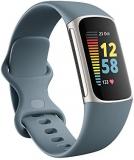
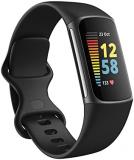
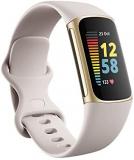
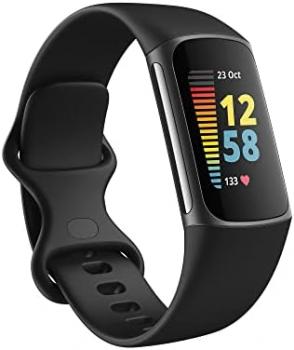
The physical design is the first and most obvious differentiator between these two Fitbit models. The Fitbit Charge 5 adopts the traditional fitness tracker form factor, characterized by a slim, pill-shaped module that sits discreetly on a flexible silicone band. Its color AMOLED touchscreen is vibrant and responsive, but the overall footprint remains compact and low-profile, making it extremely comfortable for 24/7 wear, including sleep tracking. The range of Fitbit devices demonstrates this design philosophy, prioritizing lightness and comfort.
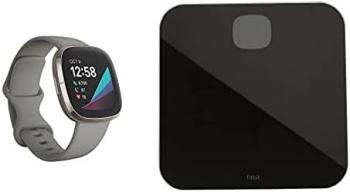
In contrast, the Fitbit Sense embodies a full smartwatch aesthetic. It features a larger, square color AMOLED display housed in a stainless steel-like case with a sleek rotating crown and button. This design offers more screen real estate for viewing data, notifications, and apps but results in a bulkier profile on the wrist. The Sense feels more like a traditional watch, making it appropriate for settings where a dedicated tracker might look too informal. The choice between these designs is personal; the Charge 5 is ideal for those who prioritize a lightweight, barely-there feel, while the Sense appeals to users who want a smartwatch presence with a premium look.
Health Monitoring: Depth of Data Collection
Both devices share a common core of health features, including a heart rate monitor, SpO2 sensor, and linked GPS for tracking outdoor activities. Both support the EDA scan app for stress management, offering a daily Stress Management Score. The Fitbit Sense, however, pushes the envelope further by incorporating a skin temperature sensor, which can help detect changes in baseline body temperature, potentially offering early insights into illness or cycle-related shifts. Furthermore, the Sense leverages its platform to offer on-wrist EDA sessions, providing a tangible mindfulness tool that the Charge 5 cannot replicate.
Built-in GPS and Accuracy
A significant advantage that both the Charge 5 and Sense share over earlier models is built-in GPS. This allows for accurate pace and distance tracking without tethering to a phone. For runners, cyclists, and hikers, this is a critical feature. However, the Sense utilizes its larger battery and processing power to potentially offer more stable extended GPS tracking, while the Charge 5 is equally capable for moderate use. For consistent route mapping, both devices perform very well, but the Sense provides a slight edge for those who engage in daily long-distance training.
Smart Features and Connectivity
The smart capabilities mark another major divergence. The Fitbit Charge 5 functions primarily as an extension of the phone, delivering call, text, and calendar notifications to the wrist. It allows users to set timers and alarms but stops short of enabling interactive responses. The experience is one of being informed without being fully immersed in device interaction.
The Fitbit Sense takes a leap forward with its built-in speaker and microphone, enabling users to take and make calls directly from the watch. This feature, combined with access to an on-device voice assistant (Google Assistant or Amazon Alexa), allows for a hands-free management of tasks, setting reminders, and controlling smart home devices. The Sense also runs a selection of apps, providing deeper integration and utility. For someone who wants to leave their phone behind during runs or manage their day from their wrist, a Fitbit Sense smartwatch is the clear choice.
Battery Life and Daily Rhythm
Battery life plays a vital role in choosing between these wearables. The Charge 5 boasts an estimated 7-day battery life based on typical use, allowing users to go an entire week without charging. This is a huge convenience factor for continuous sleep and health monitoring. The Fitbit Sense, due to its larger display and more active smart features, typically lasts closer to 6 days. While still respectable, this means charging happens more frequently, which users who value longer intervals between charges will notice. The compact nature of a Fitbit Charge 5 tracker allows for these extended usage periods.
Core Use Cases: Efficiency vs. Engagement
The ultimate decision hinges on how one wishes to interact with technology. The Fitbit Charge 5 is the ultimate tool for efficiency and focus. It excels at providing all crucial health and fitness metrics, giving guided workouts, and offering seamless sleep tracking without demanding significant daily screen time. It is for the user who wants the data without the constant interaction.
The Fitbit Sense, conversely, is an engagement device. It invites interaction through its voice assistant, on-wrist calling, and customizable app selection. It transforms a health tracker into a central communication hub, making it the best choice for managing a connected lifestyle directly from the wrist. For those seeking a device for daily fitness and health monitoring, a Fitbit Sense 2 for daily fitness represents the continued evolution of this platform into a fully-fledged smartwatch capable of acting as a primary communication tool. The path one chooses depends entirely on the desired level of daily engagement with the device.
Ultimately, both the Fitbit Charge 5 and Fitbit Sense represent the pinnacle of their respective categories. The Charge 5 stands as a testament to elegance in fitness tracking, embodying a pure and efficient philosophy. The Sense, with its expanded capabilities, represents a bold step toward a future where a smartwatch is as integral as the smartphone itself. The decision is a personal reflection of each individual’s balance between data-driven fitness goals and a fully connected digital lifestyle.