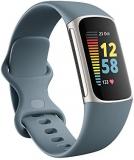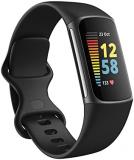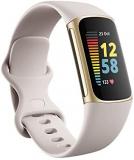
Deciding between the Fitbit Charge 5 and the Fitbit Versa 3 can be challenging, as both devices offer robust health tracking and seamless integration with the Google Health ecosystem. While the Charge 5 is a sleek fitness-focused tracker, the Versa 3 is a full-featured smartwatch designed for those who want more screen space and interactive capabilities. Understanding the key differences in form factor, display, and core functionality is crucial for making a smart purchase decision. This analysis provides a clear, expert-level comparison to help users assess which device aligns best with their daily lifestyle and fitness goals, offering a reliable reference for personal evaluation.
| Feature & Selling Point | Fitbit Charge 5 | Fitbit Versa 3 |
|---|---|---|
| Form Factor | Fitness Tracker (Band) | Smartwatch |
| Display | Color AMOLED touchscreen | Color AMOLED touchscreen (larger) |
| Built-in GPS | Yes | Yes |
| Health Sensors | 3-axis accelerometer, EDA, SpO2, HR | 3-axis accelerometer, SpO2, HR, skin temperature |
| ECG App | Yes | No |
| Smart Features | Notifications, Music Control | Notifications, Music Control, Google Assistant, Speaker & Mic |
| Battery Life | Up to 7 days | 6+ days (1-2 hours charge) |
| Water Resistance | 50 meters | 50 meters |
| Key Differentiator | Advanced stress management via EDA sensor & ECG | Full smartwatch experience with voice assistant & large display |
| Ideal For | Health-first users wanting sleek, minimalist tracker | Users wanting smartwatch versatility with fitness tracking |
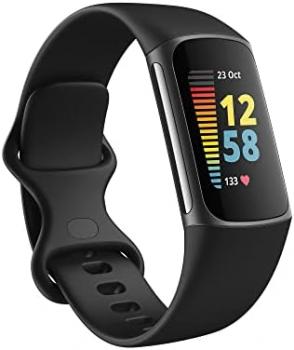
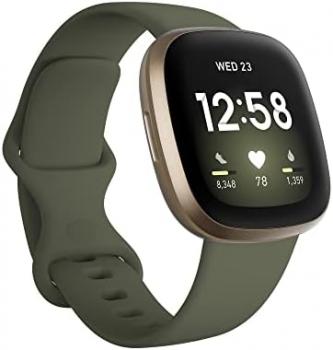
The table reveals that while both devices offer core necessities like built-in GPS and SpO2 monitoring, the Charge 5 differentiates itself with an ECG app and EDA sensor for stress management. In contrast, the Versa 3 excels as a smartwatch, adding a speaker, microphone, and a larger display for richer interaction. The choice boils down to whether one prioritizes advanced health metrics or a more comprehensive smartwatch interface.
Design Philosophy and Daily Wear
The Fitbit Charge 5 is designed with a sleek, pill-shaped form factor that sits low on the wrist, making it ideal for continuous wear during sleep and exercise without feeling bulky. Its color AMOLED touchscreen is vibrant and responsive, yet the device maintains a discreet profile suitable for both professional and casual settings. This minimalist design philosophy resonates with users who value a health tracker that blends seamlessly into their wardrobe, much like a slim fitness tracker like the Fitbit Inspire 3 also prioritizes all-day comfort.
The Fitbit Versa 3, on the other hand, adopts a true smartwatch aesthetic with a larger square display and a rotating side button for intuitive navigation. The bigger screen makes it easier to view notifications, read messages, and interact with on-device applications. While still comfortable for sleep tracking, the Versa 3 carries a more substantial presence. Its design is for those who treat their wearable as a fashion accessory and a communication tool, offering interchangeable bands in various materials to match different styles.
Advanced Health and Fitness Tracking Capabilities
Stress Management and Heart Health
The Charge 5 stands out with its dedicated Electrocardiogram (ECG) app and Electrodermal Activity (EDA) sensor, features absent from the Versa 3. The ECG app allows users to assess their heart rhythm for signs of atrial fibrillation, offering a clinical-grade tool directly on the wrist. The EDA sensor, used in guided mindfulness sessions, detects minute electrical changes in skin to gauge stress levels. These capabilities make the Charge 5 a compelling option for health-conscious individuals who want to actively monitor their cardiovascular and mental well-being.
The Versa 3 uses a 3-axis accelerometer and heart rate monitor for excellent 24/7 fitness and sleep tracking. It provides Active Zone Minutes, which encourages users to spend time in specific heart rate zones, and automatic exercise recognition for over 20 workout modes. While it lacks the ECG feature, its comprehensive health dashboard includes SpO2 tracking and skin temperature variation monitoring, offering a robust set of tools for daily wellness management. The device reliably tracks runs, swims, and gym sessions with precision.
Smart Features and Connectivity
The Fitbit Versa 3 firmly establishes itself as a smartwatch with its built-in speaker and microphone. This hardware enables hands-free phone calls directly from the wrist and allows users to interact with the Google Assistant or Amazon Alexa for setting reminders, checking the weather, or controlling smart home devices. Its larger screen provides a superior interface for viewing photo-rich notifications and replying quickly. These features make the Versa 3 a natural extension of a smartphone.
The Charge 5 is more reserved in its smart capabilities. It provides smartphone notifications for calls, texts, and calendar alerts, and allows for music playback control, but it does not offer on-device speaker or microphone functionality. This distinction clarifies the device’s primary role as a fitness and health partner. For users whose priority is seamless health tracking without the distraction of constant notifications or voice interactions, the Charge 5 provides a focused and efficient experience.
Battery Performance and Value Proposition
Battery life is a strong point for both models, though the Charge 5 holds a slight edge with its official rating of up to 7 days on a single charge. This extended longevity reduces charging frequency, making it a reliable companion for long trips or for those who prefer a set-and-forget wearable. The Versa 3 offers a solid 6 days of typical use, with a fast charging capability that can bring it to a usable charge in under an hour. For users seeking a focused health sensor array, a device like the Fitbit Charge 6 represents the next evolution in that line, while the Versa line reflects a broader smartwatch commitment.
When evaluating the overall value, one must consider the ecosystem. Both devices integrate seamlessly with the Google Health app (formerly Fitbit), offering personalized coaching and trends. The Versa 3’s higher price reflects its larger display and expanded smart features. The Charge 5 offers a more accessible entry point for advanced health metrics like ECG and EDA analysis. This value difference often aligns with user priorities: health-first metrics versus all-in-one wrist-worn connectivity. Exploring the entire Fitbit wearable collection helps contextualize these choices within a broader health technology framework.
Understanding these distinctions empowers a purchase that truly fits personal habits. The Charge 5 excels as a dedicated health tracker with advanced features like ECG, perfect for stress monitoring and precise heart health insights. The Versa 3 thrives as a versatile smartwatch that enhances daily connectivity and command capabilities. Both devices, from the Fitbit Versa 3 line to the sleek Charge 5 band, validate the Fitbit commitment as a companion for holistic well-being. The right match depends on whether a user envisions their wearable as a focused wellness tool primarily, or a central command center for their digital life with fitness as a fundamental pillar. This careful reflection ensures the chosen wearable becomes a cherished long-term partner.