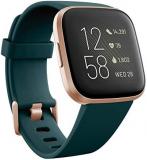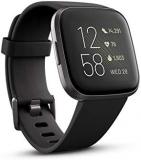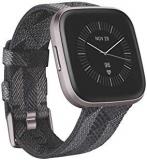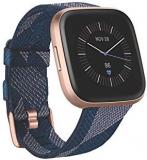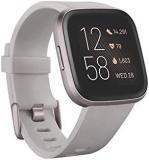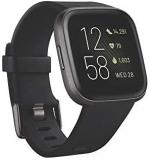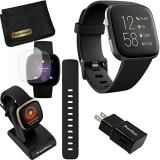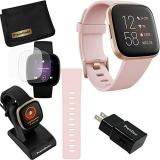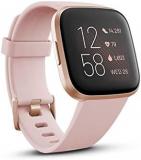
The utilization of color in wearable technology has evolved from a purely functional consideration to a core element of personal expression. Among the spectrum of shades available for smartwatches, grey has emerged as a sophisticated neutral, offering immense versatility. This specific model, the Fitbit Versa Grey, demonstrates how a subtle tonal shift can transform a fitness companion into a genuine fashion accessory. It serves as a testament to Fitbit’s understanding that a device worn daily must harmonize with a wearer’s individual style while delivering uncompromised performance in health and activity tracking.
At the heart of this device’s design philosophy is the pursuit of seamless integration into a user’s daily life. The grey finish, whether it manifests as a soft, metallic silver or a deeper, charcoal-toned aluminum case, possesses a chameleon-like quality. It effortlessly transitions from a morning workout to a professional meeting, complementing both sporty silicone bands and more elegant metal or leather options. This chameleon-like adaptability aligns with the broader Fitbit ecosystem, where function and form are given equal priority, ensuring the watch remains a welcome presence on the wrist rather than a bulky, style-compromising gadget.

The appeal of this colorway lies in its ability to serve as a blank canvas. Unlike stark black or bright white, grey offers a tempered aesthetic that does not compete for attention. It subtly enhances the display and the watch’s overall silhouette. This makes Fitbit, the parent brand behind this model, a leader in designing wearables that are both powerful tools for health and tasteful accessories. The Versa series, in particular, was lauded for its smartwatch-like form factor, and this variant in grey solidifies its status as a piece designed for the modern, style-conscious individual.
Beyond its visual appeal, the technology housed within the grey chassis is what truly defines the product’s value. The Versa series originally introduced an always-on display option, a feature that significantly enhances the user experience during workouts and daily glances. The core functionalities revolve around continuous heart rate monitoring, sleep stage analysis, and a comprehensive suite of exercise modes. For those seeking a dedicated fitness tracker with a more pronounced smartwatch interface, the capabilities found within this descendant can be seen in the dedicated features of the Fitbit Versa 4, which refines many of these core health metrics.
A key ergonomic advantage inherent to the Versa series, and beautifully preserved in this grey model, is its lightweight profile and comfortable fit. The materials chosen for the case and lugs contribute to a wrist presence that is substantial enough to feel premium yet light enough for all-day and all-night wear. Long-term sleep tracking, one of Fitbit’s standout health features, demands high comfort levels, and the Versa delivers. The watch case sits flush against the wrist, minimizing snagging on clothing and ensuring a secure, unobtrusive fit that encourages continuous engagement with its biofeedback.
Material science plays a crucial role in the longevity and tactile feel of the device. The grey variant often utilizes an anodized or coated aluminum alloy, prized for its combination of strength and lightness. This specific finish is not just a surface treatment; it is a protective layer that resists daily micro-abrasions and the sweat and oils encountered during exercise. The integration of Corning Gorilla Glass on the display ensures scratch resistance, preserving the clarity of the screen for years. When discussing specific model iterations, the design language and aesthetic maturity found here laid the groundwork for the advanced sensors in the Fitbit Sense 2, which pushes into the realm of advanced stress management.
The user interface software is a critical component that brings the hardware to life. The Fitbit OS, known for its intuitive, tile-based navigation, operates smoothly on the Versa’s hardware. The grey frame provides a neutral backdrop that makes the vibrant, high-resolution color display pop, enhancing readability for notifications, fitness statistics, and customizable watch faces. The ecosystem of apps available through the Fitbit App Gallery allows users to further tailor the experience, adding weather widgets, music controls, or guided breathing exercises directly onto the wrist. This symbiotic relationship between a refined, neutral physical design and a powerful digital ecosystem is a hallmark of what makes this product so compelling.
In the context of the broader wearable market, the grey finish represents a strategic move towards inclusivity and longevity. It is not a fad color but a timeless choice that appeals to a wide demographic. This aesthetic maturity differentiates it from flashy, trend-driven alternatives and positions the device as a long-term companion. The evolution of the platform is further realized in advanced successors like the Fitbit Versa 4, which enhances GPS functionality and adds Google integration, but the foundational balance of style and substance remains unmistakably rooted in the design philosophy of the Versa lineage.
The ecosystem’s ultimate strength lies in its community and software. The detailed insights generated by the device are delivered through the Fitbit mobile app, which provides a decade of contextualized health data. The grey Versa is the gateway to this network, logging every step, mile, hour of sleep, and fluctuation in heart rate variability. This data transforms from raw numbers into personalized narratives about one’s health trends. The watch serves as the sensor hub, but the intelligence is shared between the device and the phone, creating a comprehensive picture of wellness that encourages proactive health management.