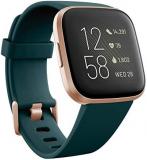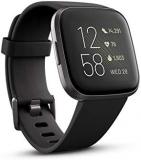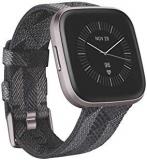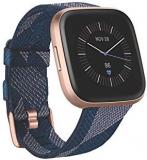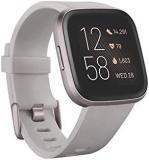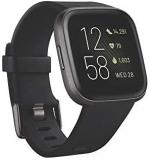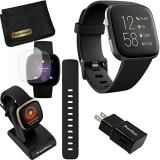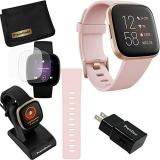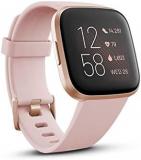
The Fitbit Versa 2 women’s watch arrived at a pivotal moment in wearable technology, where the demand for devices that seamlessly transition from the gym to social settings was rapidly growing. Its design philosophy centered on creating a smartwatch that felt less like a piece of tech and more like a natural accessory, a goal evident in its lightweight aluminum case and soft, interchangeable bands. For those prioritizing a blend of fitness tracking and classic style, the Fitbit Versa 2 presents a compelling and accessible option. It successfully demystified advanced health metrics, making them available in a package that prioritized comfort and aesthetic versatility for the female wrist.
At the heart of the Versa 2 experience is its always-on AMOLED display, a significant upgrade that provided constant access to time and key data without the need for a wrist flick. This feature alone elevated its utility, transforming it from a reactive device into a proactive companion. The vibrant screen, protected by Corning Gorilla Glass 3, showcased customizable clock faces that ranged from data-rich fitness dashboards to minimalist, elegant designs. This visual flexibility allowed users to tailor the watch’s personality to match their outfit or activity, reinforcing its role as a versatile style piece rather than just a tracker.
Health and wellness monitoring formed the core of its functionality, driven by a suite of sensors that worked continuously in the background. Continuous heart rate tracking enabled detailed analysis of cardio zones during exercise and provided insights into resting heart rate trends over time. The device’s sleep tracking capabilities were particularly sophisticated, employing a combination of heart rate and movement data to break down sleep into Light, Deep, and REM stages, offering a Sleep Score to quantify rest quality. This data, presented within the intuitive Fitbit app, empowered users to make tangible connections between daily habits and their overall well-being.
Smart features were carefully curated to enhance daily life without causing distraction. Integrated Amazon Alexa support allowed for voice-controlled tasks like setting timers, checking the weather, or controlling smart home devices directly from the wrist. While it lacked built-in GPS, connected GPS utilized a paired smartphone to map outdoor runs and cycles accurately. Notifications for calls, texts, and calendar alerts kept users informed, and the inclusion of Fitbit Pay for contactless payments added a layer of everyday convenience. The broader top Fitbit selection offers a range of devices from basic trackers to full-featured smartwatches, with the Versa 2 occupying a sweet spot of balanced capability.
Battery life emerged as one of its most praised attributes, routinely delivering five to six days on a single charge. This endurance reduced the frequency of charging cycles and supported multi-day sleep tracking, a feature often compromised by devices requiring nightly power-ups. The combination of a magnetic charging cable and a relatively quick recharge time meant minimal downtime. This reliability ensured the watch could be a constant companion through long workdays, intense workout sessions, and weekend getaways without the anxiety of a dying battery.
From a design perspective tailored for women, the Versa 2 excelled in its proportions and material choices. The case size was deliberately scaled to suit smaller wrists comfortably, avoiding the bulky, masculine aesthetic common in early smartwatches. A variety of band materials, from classic silicone sport bands to more premium woven or leather options, allowed for personalization. The color palette included soft pinks, elegant rose gold, and versatile graphite, enabling it to complement both athletic wear and business casual attire seamlessly, a key factor in its adoption as an everyday accessory.
The user experience was deeply intertwined with the Fitbit ecosystem, one of the most established and community-oriented platforms in fitness technology. The app served as a central hub not only for data but also for motivation through challenges, badges, and friendly competition. This social dimension transformed solitary fitness goals into shared journeys, providing an extra layer of accountability and encouragement that pure hardware could not achieve alone. The platform’s longevity and continuous software updates helped extend the functional life of the device.
For users seeking more advanced features like built-in GPS, exploring the Versa 4 and similar models is a logical next step. The Versa 2’s legacy lies in its successful demonstration that a smartwatch could be both genuinely useful for health and genuinely appealing as a piece of jewelry. It bridged a gap in the market, proving that technology designed with a specific user experience in mind鈥攃onsidering comfort, style, and intuitive wellness tracking鈥攃ould foster a more holistic and sustained engagement with personal health. It represented a step towards wearables that are worn not out of obligation, but out of genuine desire.