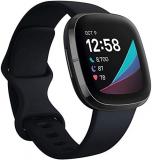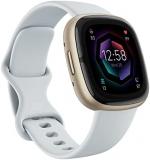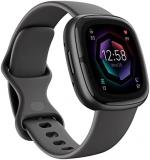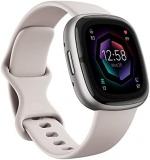
Choosing between the Fitbit Sense and the Garmin Venu Sq often comes down to prioritizing advanced health sensors against a lighter, more affordable design. Both smartwatches target health-conscious users, yet each brings a distinct philosophy regarding daily wellness tracking. The Fitbit Sense focuses on comprehensive stress management and electrodermal activity scanning, while the Garmin Venu Sq delivers reliable fitness metrics in a compact square frame. This guide examines their core differences and shared strengths, offering a clear buying recommendation backed by detailed specifications. Each model represents a smart investment for those serious about monitoring their well-being, and the comparison table below distills the most crucial decision-making points into a single view.
| Feature & Selling Point | Fitbit Sense | Garmin Venu Sq |
|---|---|---|
| Display | 1.58″ AMOLED | 1.3″ LCD / AMOLED (variant) |
| Key Health Sensor | EDA (electrodermal activity) | Heart rate, SpO2 |
| Stress Management | EDA scans + guided sessions | Body Battery energy monitoring |
| Battery Life (Smartwatch Mode) | 6+ days | Up to 11 days |
| GPS | Built-in GPS + GLONASS | Built-in GPS (model dependent) |
| Water Rating | 50 meters | 50 meters |
| Smart Features | Onboard music, NFC payments, notifications | Notifications, music controls, optional music storage |
| Skin Temperature Sensor | Yes | No |
| Always-On Display Option | Yes (reduces battery) | Yes (reduces battery) |
| Sleep Tracking | Sleep stages + Sleep Score | Sleep stages + Sleep Score (Garmin ecosystem) |
| Best Use Case | Stress monitoring & wellness insights | Full-day fitness tracking & battery longevity |
| Voice Assistant | Amazon Alexa support | None (notifications only) |
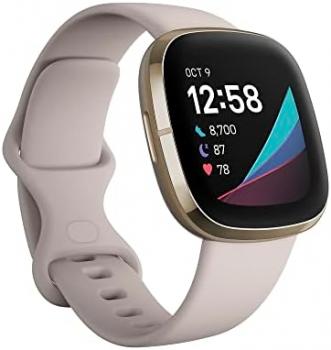
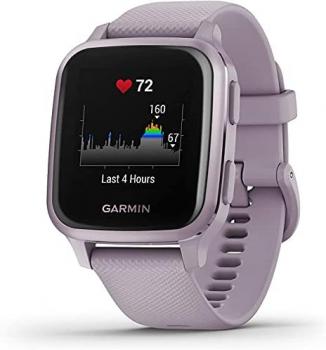
The table reveals that the Fitbit Sense surpasses the Garmin Venu Sq in sensor depth, particularly for stress and temperature monitoring, while the Venu Sq wins on battery endurance. This trade-off defines their appeal: one is a comprehensive wellness companion, and the other is a lightweight daily fitness partner.
Sensor Technology and Health Tracking Depth
The Fitbit Sense stands out with its electrodermal activity (EDA) sensor, a feature absent from most competing smartwatches. This sensor measures tiny changes in sweat gland activity, which relates closely to the body’s stress response. When a user holds the palm over the watch face for a dedicated EDA scan, the device provides a clear stress signal reading, allowing one to identify moments of high tension throughout the day. In contrast, the Garmin Venu Sq relies on the Body Battery energy monitoring feature, which combines heart rate variability, stress levels, and sleep data to estimate an overall energy reserve. While not as precise in pinpointing acute stress, Body Battery offers a practical, continuous view of one’s energetic state.
Another differentiator is the skin temperature sensor onboard the Fitbit Sense. This sensor tracks overnight temperature variations, which can indicate early signs of illness or changes in menstrual health. The Garmin Venu Sq does not include such a sensor, making the Sense a more suitable choice for those keen on tracking physiological patterns. Both devices include a blood oxygen SpO2 sensor, but the implementation differs: the Fitbit Sense offers on-demand and sleep-based SpO2 readings, while Garmin’s platform integrates SpO2 into advanced sleep metrics and high-altitude acclimation data.
Design, Display, and Daily Wear Experience
The Fitbit Sense employs a larger 1.58-inch AMOLED display wrapped in a premium stainless steel frame, giving it a more sophisticated look suitable for both office and gym settings. The Garmin Venu Sq, true to its name, adopts a square case that prioritizes compactness and a sporty aesthetic. The Venu Sq models vary between an LCD panel and a premium AMOLED version, depending on the specific variant chosen. While both watches offer an always-on display option that ensures quick glances at time and stats, activating this mode affects battery performance on both models.
Comfort is a priority for the Venu Sq, which weighs significantly less than the Sense due to its polymer case and silicone strap. The Sense, with its metal construction, feels more substantial on the wrist but remains comfortable for all-day wear. Each device meets a 50-meter water rating, making them safe for swimming and showering. For those who value a more refined aesthetic alongside robust health tracking, the Fitbit Sense delivers a package that easily transitions from a nightstand to a workout.
Regarding the essential factor of a smartwatch for daily use, the Venu Sq 2 makes sense for users who prioritize lightweight design and multi-day battery life over an extensive sensor suite. The Venu Sq offers a streamlined experience that focuses on core fitness metrics without overwhelming the wearer with data.
Battery Life and Practical All-Day Usage
Battery endurance often dictates how frequently a user must interact with a wearable. The Garmin Venu Sq achieves up to 11 days in smartwatch mode, a figure that can extend to 21 days with battery saver features enabled. This outstanding longevity allows users to wear the watch for extended trips without carrying a charger. The Garmin official comparison data confirms that in GPS-only mode, the device lasts around 21 hours, which is sufficient for marathon distances and long hikes.
The Fitbit Sense offers a respectable 6+ days of battery life, which remains competitive but not class-leading. Features like always-on display and continuous SpO2 monitoring will reduce this runtime. One consideration is the sensor-rich Fitbit Sense 2, which inherits the same battery profile. Users who sleep with the Sense on for advanced sleep tracking will need to charge it approximately once every five to six days. The faster charging speeds of the Fitbit ecosystem partially offset this shorter duration, enabling a quick top-up during the morning routine.
Fitness and Exercise Tracking Capabilities
Both the Fitbit Sense and Garmin Venu Sq include built-in GPS for distance and pace recording during outdoor runs and rides. The Fitbit Sense utilizes a combined GPS and GLONASS system, delivering accurate route mapping even in urban canyons. The Garmin Venu Sq employs the company’s established GPS engine, which is known for reliable performance across diverse environments.
The auto activity start feature, documented in official Garmin support materials, allows the Venu Sq to automatically detect walking or running via the Move IQ algorithm and begin recording. Similarly, Fitbit’s SmartTrack function recognizes several activity types and initiates logging without manual intervention. For serious athletes, the Garmin interface offers more granular metrics, including advanced running dynamics, lactate threshold estimates, and recovery time suggestions. The Fitbit Sense counters with a richer set of general wellness features, such as guided breathing exercises and the Fitbit Today dashboard that aggregates health readings into a single daily score.
For those with a specialized interest, a full-featured Fitbit Charge 6 combines a slim design with comprehensive fitness features. However, the comparison between the Sense and the Venu Sq remains centered on which ecosystem matches the user’s lifestyle more closely.
Smart Features and Ecosystem Integration
The Fitbit Sense supports Amazon Alexa for quick voice commands, including setting timers, checking the weather, and controlling smart home devices. This feature adds convenience when the phone is not nearby. The Garmin Venu Sq offers notification mirroring, music controls, and, on music-specific models, onboard storage for playlists. Neither device supports Wi-Fi calling or an app store as expansive as the Apple Watch, but both deliver core smartwatch utilities effectively.
Compatibility is a strong point for both. The Fitbit Sense works seamlessly with iOS and Android through the Fitbit app, which provides a historically deep database of sleep and wellness information. Garmin users access the Connect IQ store for customizable watch faces, data fields, and small apps. The Venu Sq’s integration with Garmin’s ecosystem also enables automatic activity syncing to platforms like Strava and TrainingPeaks.
Choosing the Right Health Companion
The decision between the Fitbit Sense and the Garmin Venu Sq ultimately rests on the priority given to sensor depth versus battery endurance and simplicity. The Fitbit Sense excels with proprietary EDA scanning, skin temperature monitoring, and a polished design that suits the user seeking deep physiological insights. The Garmin Venu Sq delivers exceptional battery life, a lighter physical footprint, and reliable fitness tracking that aligns with an active life. Both watches serve as dedicated partners in understanding one’s body, proving that the pursuit of well-being can be equally supported through different approaches to wearable technology.