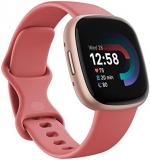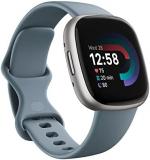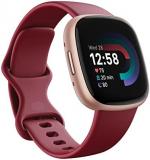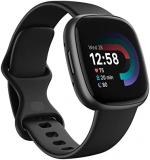
When choosing between the Fitbit Versa 4 and the Fitbit Sense 2, the decision often comes down to a single question: does the advanced stress management sensor justify the step up in price? Both smartwatches launched to refine Fitbit’s health-tracking ecosystem, yet they cater to subtly different user priorities. Understanding these distinctions is essential for making a purchase that aligns with individual lifestyle demands, whether the focus is on structured fitness or holistic wellness.
To quickly clarify the differences, the table below contrasts the core specifications and selling points of each model. This comparison highlights where each watch excels and where compromises have been made.
| Feature & Selling Point | Fitbit Versa 4 | Fitbit Sense 2 |
|---|---|---|
| Key Sensor | 3-axis accelerometer, SpO2, heart rate | Adds electrodermal activity (cEDA) for stress |
| Primary Focus | Fitness, GPS, built-in workout modes | Stress management, EDA scan, ECG app |
| Display | 1.58-inch AMOLED, always-on option | 1.58-inch AMOLED, always-on option |
| GPS | Built-in GPS | Built-in GPS |
| Battery Life | 6+ days (typical) | 6+ days (typical) |
| Stress Management | Stress Score, guided breathing | cEDA sensor, EDA scan, Body Response |
| Best For | Enthusiastic exercisers wanting a balanced daily tracker | Users prioritizing deep stress and mental health insights |

Design Language and Comfort
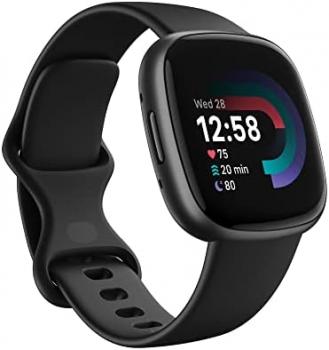
From a purely aesthetic standpoint, both smartwatches share a very similar DNA. They feature an anodized aluminum case with a smooth, squircle shape that sits comfortably on a wide range of wrist sizes. The Versa 4 and Sense 2 both utilize the same 1.58-inch AMOLED display, ensuring vibrant colors and sharp text that remains legible outdoors. However, the Sense 2 distinguishes itself with a slightly more refined finish and a dedicated physical button on its left side, which replaces the capacitive indentation found on its predecessor.
In terms of comfort, both models are lightweight and suitable for all-day and all-night wear. The primary difference lies not in the hardware but in the strap options available. The Fitbit Versa 4 uses a quick-release mechanism, offering a vast ecosystem of third-party bands for personalization. For users seeking a device optimized for daily fitness tracking, the Versa 4 remains a solid and slightly more affordable choice.
Health Tracking Capabilities
The Fitness-First Approach of the Versa 4
The Fitbit Versa 4 is engineered to be a dedicated fitness companion. It includes over 40 exercise modes, built-in GPS for accurate route mapping, and an updated interface that prioritizes workout metrics. During a run, the display shows real-time stats like pace, distance, and heart rate zones without requiring a phone nearby. The watch also offers an Active Zone Minutes feature, which vibrates to nudge the wearer toward achieving their target heart rate intensity.
Beyond exercise, the Versa 4 provides comprehensive sleep tracking, SpO2 monitoring, and a 24/7 heart rate sensor. It is a robust health tracker for anyone who wants a clear picture of their daily activity and recovery. For those focusing purely on achieving daily step goals, logging workouts, and measuring sleep quality, the Versa 4 delivers exceptional value within the Fitbit ecosystem.
The Wellness Deep Dive of the Sense 2
The Sense 2 takes health tracking a significant step further by incorporating a continuous electrodermal activity (cEDA) sensor. This sensor sits on the watch’s underside and detects small changes in the skin’s sweat level, a key indicator of the body’s stress response. When the cEDA sensor detects a potential stress spike, the watch prompts the wearer to log their mood and reflect on the moment. This feature, combined with an on-wrist EDA scan app, provides a degree of mindfulness and emotional awareness that the Versa 4 simply cannot offer.
The Sense 2 also includes an ECG app that can assess heart rhythm for signs of atrial fibrillation (AFib). While the Versa 4 also tracks heart rate variability (HRV), it lacks the formal ECG feature. For users concerned about stress, mental well-being, and heart health anomalies, the Sense 2 is the clear choice. The Fitbit Sense 2 effectively transforms a smartwatch into a wearable wellness coach, guiding the user through moments of tension and anxiety.
Smartwatch Features and Battery Efficiency
Beyond health and fitness, both smartwatches offer a consistent smartwatch experience. They support notifications from a paired smartphone, feature Amazon Alexa and Google Assistant built-in, and include Fitbit Pay for contactless transactions. The user interface on both devices is identical, with a smooth, app-drawer style menu and customizable clock faces. Importantly, both models now include Google Maps and Google Wallet integration, a significant upgrade for navigation and payments.
Battery life is identical on paper, with both watches boasting up to 6 days of typical use and up to 12 hours with continuous GPS. This parity means neither device wins a battery advantage. The deciding factor remains the core sensor suite. While the Versa 4 is an excellent all-rounder, it does not offer the targeted stress response management that defines the Sense 2. For users who prioritize fitness over mindfulness, Fitbit brand’s Versa 4 is the more straightforward and cost-effective selection.
Which One Fits Your Life?
Choosing between these two excellent smartwatches ultimately depends on the user’s primary health concern. The Fitbit Versa 4 is designed for the active individual who wants a top-tier fitness tracker with solid smartwatch capabilities. It excels at motivating users to move more, sleep better, and stay connected.
In contrast, the Fitbit Sense 2 is a tool for those navigating high-stress environments or seeking to understand their emotional triggers. The extra investment in the Sense 2 buys a sophisticated sensor system that provides actionable data on stress and recovery, a feature absent from the Versa 4. Both devices are benchmarks in their respective categories, representing Fitbit’s commitment to making health data accessible and actionable for everyone.