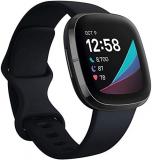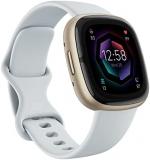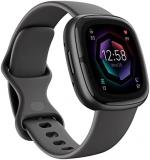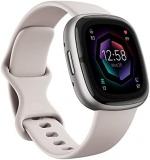
When deciding between the Fitbit Sense and the Versa 2, the core distinction lies in the depth of health monitoring offered. The Sense features advanced sensors for stress management and heart health, while the Versa 2 provides a reliable fitness tracking experience with smartwatch functionality at a more accessible price point.
For users seeking the most comprehensive wellness data, the Fitbit Sense introduces an electrodermal activity (EDA) sensor for stress detection, an electrocardiogram (ECG) app for heart rhythm assessment, and a skin temperature sensor. In contrast, the Versa 2 includes an optical heart rate monitor, an accelerometer, and an SpO2 sensor for blood oxygen tracking, making it a capable companion for daily workouts and sleep tracking.
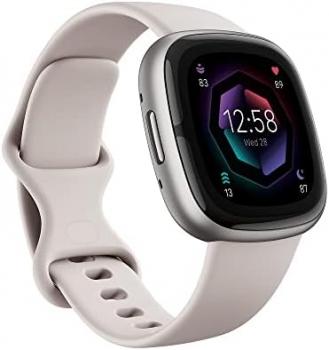
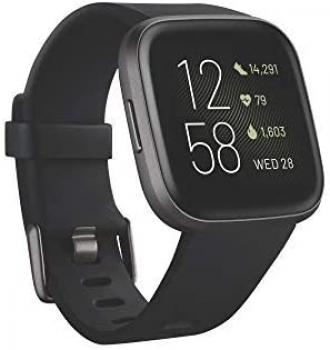
Best-Matched Comparison Picks
Fitbit Versa 2 Health & Fitness Smartwatch with Voice Control, Sleep Score & Music See Price on Amazon.co.ukChoosing between these two models involves weighing the need for advanced stress and heart health tools against core fitness and smartwatch capabilities. The following table provides a concise overview of their primary differences to help clarify the decision.
| Feature & Selling Point | Fitbit Sense | Fitbit Versa 2 |
|---|---|---|
| Health Sensors | EDA, ECG, PPG, SpO2, Skin Temperature | PPG, Accelerometer, SpO2 |
| Stress Management | EDA Scan & Stress Score | Relaxation Breathing Sessions |
| Heart Health | ECG App for Atrial Fibrillation | High & Low Heart Rate Notifications |
| Built-in GPS | Yes | Connected GPS (via phone) |
| Display | AMOLED Color Touchscreen | AMOLED Color Touchscreen |
| Battery Life | 6+ Days | 6+ Days |
| Voice Assistant | Amazon Alexa Built-in | Amazon Alexa Built-in |
The introduction of the EDA and ECG sensors on the Sense represents a significant step forward in consumer wearable technology. For individuals focused on mental well-being, the ability to conduct an EDA scan and receive a daily stress score provides actionable insights that go beyond simple step counting. The Versa 2 remains a strong choice for those who primarily want style, solid activity tracking, and smartwatch conveniences like music control and notifications.
Design and Core Fitness Capabilities
Both the Fitbit Sense and Versa 2 share a similar design language with a sleek, water-resistant housing and vibrant AMOLED displays. Their swim-proof construction and standard 6-day battery life make them suitable for all-day and overnight wear. Core fitness tracking, including steps, calories, heart rate zones, and sleep stages, is executed effectively on both devices.
However, a major differentiator appears during outdoor workouts. The Sense includes built-in GPS, which allows for mapping runs and bike rides without needing to carry a phone. The Versa 2 relies on connected GPS, using the phone’s location services, which can be less convenient for users who prefer to exercise phone-free. This makes the Sense a more self-sufficient tool for serious runners and outdoor enthusiasts. For a device with a broader fitness focus, exploring the fitness-focused Fitbit Charge 6 reveals another approach to activity tracking without a full smartwatch interface.
Stress and Heart Health Technology
The most compelling reason to choose the Fitbit Sense is its comprehensive approach to managing stress and monitoring heart health. The EDA scan measures small electrical changes on the skin, which can indicate the body’s response to stress. Paired with the daily Stress Management Score, users gain a clearer picture of their overall resilience and can identify patterns affecting their well-being.
Beyond stress, the ECG app allows users to assess their heart rhythm for signs of atrial fibrillation. This feature directly on the wrist offers peace of mind for those wanting to take a proactive role in their cardiac health. The Versa 2 provides heart rate zone tracking for workouts and sends alerts for unusual heart rates, but it lacks the formal rhythm assessment of the ECG app. For any consumer exploring advanced wellness trackers, models like the Fitbit Sense 2 continue this legacy of integrating sophisticated medical-grade sensors into a daily-wear device.
Making the Right Choice for Your Lifestyle
The decision between the Fitbit Sense and Versa 2 ultimately hinges on the priority given to advanced health metrics. The Sense is designed for the health-conscious individual who wants deep, data-driven insights into stress, heart health, and sleep, paired with the convenience of on-board GPS. It represents a more premium investment in personal biometric tracking. The Versa 2 offers an excellent entry point into Fitbit’s ecosystem, providing a polished smartwatch experience and robust fitness tracking that covers the fundamentals exceptionally well.
Both models provide access to the Fitbit Premium subscription, which unlocks deeper analysis, personalized health trends, and guided programs, further enhancing the value of the data collected. For users who prioritize a straightforward activity tracker over a full touchscreen smartwatch, the Fitbit brand’s broader lineup includes many options catering to specific needs and budgets. Ultimately, the right choice reflects individual health goals and how much personal biometric data one wishes to monitor and understand.