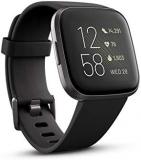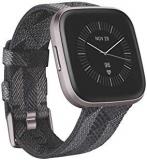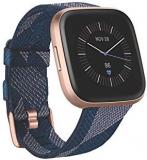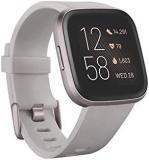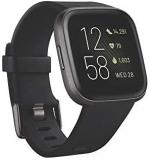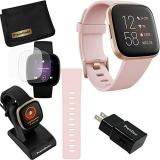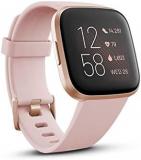
The Fitbit Versa 2 Black arrived at a pivotal moment, offering a compelling blend of smartwatch aesthetics and dedicated health tracking at an accessible price point. Its sleek, square aluminum case in a muted black finish presented a more refined alternative to the sport-centric designs dominating the market. This model wasn’t just about counting steps; it was about integrating wellness data into a device that looked at home from the gym to the office, making advanced health metrics approachable for a broader audience. For those seeking a comprehensive wellness tracker, the health-focused Fitbit ecosystem offers a range of devices tailored to different lifestyles.
At the core of the Versa 2 Black experience is its always-on AMOLED display, a significant upgrade that defined its visual appeal. The deep blacks of the screen seamlessly merge with the black aluminum case, creating a cohesive and modern monochromatic look. This display technology ensures vital information like heart rate, time, and notifications are glanceable without the need for an exaggerated wrist flick, a subtle yet impactful feature for daily usability. The interface is clean and intuitive, prioritizing health data widgets and quick replies to messages, which streamlined the user interaction compared to more complex smartwatch operating systems.
Health monitoring capabilities were thoughtfully curated rather than overwhelmingly extensive. Continuous heart rate tracking, sleep stages analysis with a Sleep Score, and guided breathing sessions based on heart rate variability formed the foundation of its wellness proposition. The inclusion of SpO2 monitoring for blood oxygen saturation, though initially reserved for sleep tracking, hinted at the growing importance of comprehensive health metrics. This focus on user-centric design is evident in models like the Fitbit Versa 2, which prioritized a sleek form factor and core health metrics. The device excelled in providing actionable insights through the Fitbit app, translating raw data into trends and personalized recommendations that encouraged gradual lifestyle improvements.
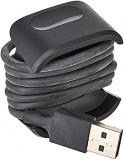
Battery life emerged as a standout feature, with the Versa 2 Black reliably delivering up to six days on a single charge. This longevity reduced the constant anxiety of charging that plagues many full-color display smartwatches and supported multi-day sleep tracking without interruption. The practical benefit of such endurance cannot be overstated for users committed to long-term trend analysis, as it ensured consistent data collection. The charging system, while proprietary, was simple and efficient, allowing the watch to be powered up quickly during a morning routine.
The integration of Amazon Alexa built a bridge between fitness tracking and smart home control, adding a layer of convenience. Users could set timers for workouts, check the weather before a run, or control smart lights, all through voice commands directly from the wrist. While not as expansive as other voice assistants, its functionality was well-matched to the device’s ethos of providing helpful, context-aware features. Music control and on-wrist notifications kept users connected without being intrusive, striking a balance that respected focus time while maintaining essential connectivity.
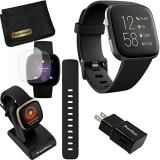
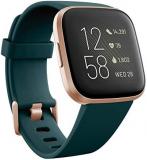
Design-wise, the Versa 2 Black’s versatility was amplified by its interchangeable band system. The standard silicone band was comfortable for workouts, but the ability to easily swap to a leather or metal link band allowed it to adapt to more formal settings. This transformability addressed a common critique of fitness wearables, proving that a device built for health could also cater to personal style. The lightweight construction and curved case profile ensured it remained comfortable for 24/7 wear, a critical factor for accurate sleep and all-day activity tracking.
When positioned within Fitbit’s own lineage, the Versa 2 Black served as a crucial link between basic fitness bands and advanced smartwatches. It offered more functionality and a richer display than the Inspire series, while maintaining a simpler, more fitness-focused interface than the flagship Sense line. The brand’s evolution can be seen in later releases, including the Fitbit Versa 4, which built upon this foundation with enhanced fitness tracking and connectivity. This strategic positioning made it an ideal entry point for users ready to deepen their engagement with personal health data without navigating an overwhelming array of features.
The legacy of the Fitbit Versa 2 Black lies in its demonstration that effective health technology need not be obtrusive or purely utilitarian. It packaged essential biometric sensing, insightful software, and reliable battery life into a design that felt intentionally minimalist rather than basic. It championed the idea that a wellness device should fit effortlessly into one’s life, both in terms of daily habit and personal aesthetic, encouraging a sustained and mindful relationship with one’s own health data.