The Samsung Galaxy Watch9 collection and the Google Pixel Watch 5 series answer the same question with opposite instincts. One builds a health console with two case sizes and a larger cell in its smallest body. The other shapes a single domed case around a conversational assistant. This guide is written to be kept, not skimmed, because the differences that matter here show up months after purchase rather than on a spec sheet.
| Feature & Selling Point | Samsung Galaxy Watch9 | Google Pixel Watch 5 |
|---|---|---|
| Case Sizes | 40mm and 44mm | 41mm only |
| Battery Cell (Smallest Case) | 390mAh in the 40mm model | Single-cell 41mm layout |
| Case Geometry | Cushion-shaped, flat profile | Domed pebble silhouette |
| Connectivity Variants | Bluetooth and LTE across the line | Wi-Fi and cellular, region dependent |
| Chip Platform | Snapdragon Wear Elite | Tensor-derived co-processor |
| Phone Requirement | Android 13.0+ with 1.5GB RAM | Android, deepest with Pixel |
| Health Coaching | Sleep and heart management programs | Fitness and wellness tracking |
| AI Assistant | Galaxy AI feature set | Gemini built in |
| Display Treatment | Flat sapphire-topped panel | Domed glass over the display |
| Design Language | Tool-watch inspired, angular | Jewelry-inspired, smooth |
| Best Suited For | Multi-day tracking, larger wrists, LTE users | Daily elegance, Pixel owners, gesture fans |
| Warranty Positioning | 3-year warranty on the UK version | Standard regional terms |
| Operating Temperature Range | 5F to 131F, per Samsung | Standard consumer range |
| Primary Trade-Off | Larger footprint on smaller wrists | One case size limits fit options |
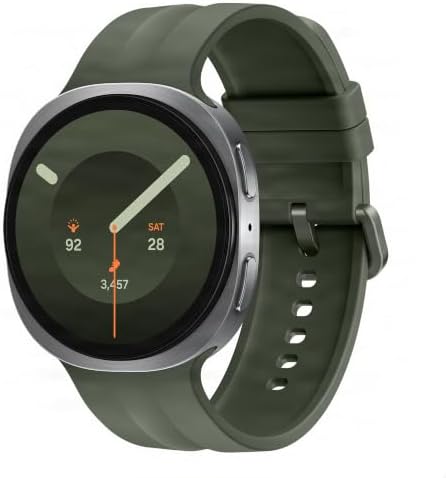
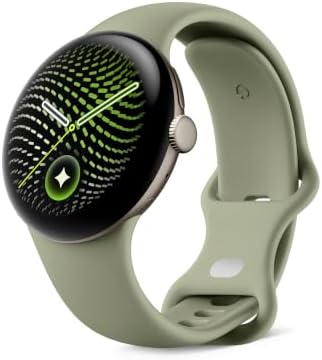
Two rows in that table decide most purchases. Samsung spreads the Galaxy Watch9 across two case sizes and fits a 390mAh cell into the 40mm model, which the brand states is 20 percent larger than the comparable Galaxy Watch8 and 30 percent larger than the Galaxy Watch7. Google answers with a single 41mm domed case, which simplifies the choice but removes the fit flexibility that smaller and larger wrists often need.
Case Design and Wrist Presence
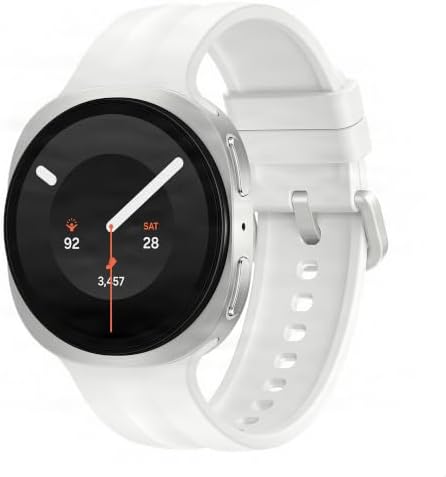
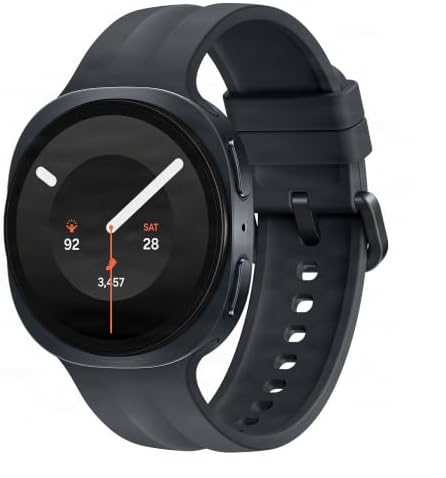
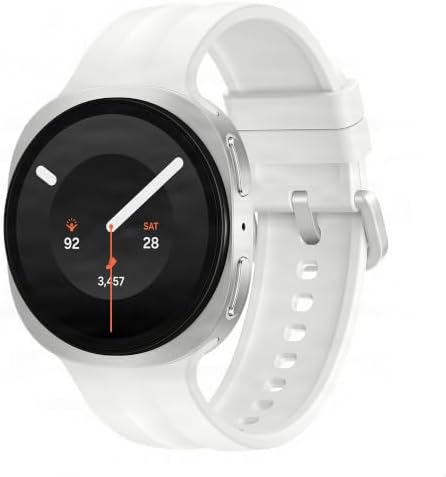
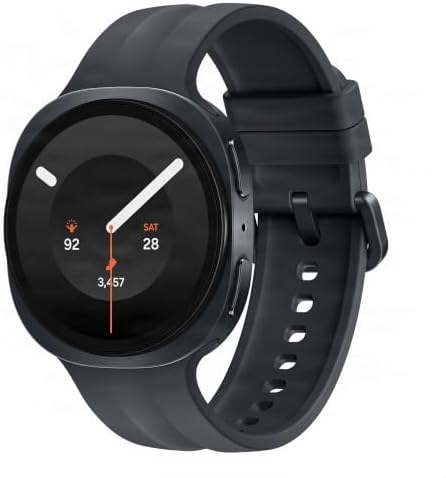
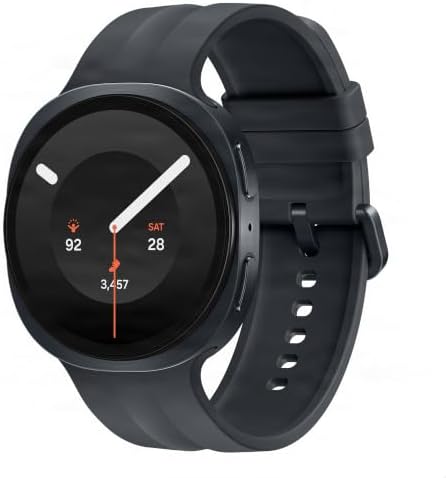
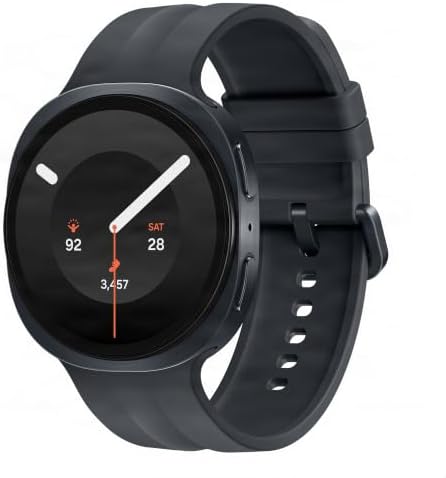
The Galaxy Watch9 adopts a cushion-shaped case that reads as a deliberate nod to traditional tool watches. Its lines are angular, the bezel has a defined edge, and the overall silhouette sits flat against the wrist. On the 44mm version, that geometry gives the watch a confident, almost instrument-like presence. The 40mm variant keeps the same language in a tighter package, which matters for anyone who wants the full feature set without a large dial dominating the forearm.
Samsung’s Cushion Approach
A flatter case profile distributes weight more evenly across the wrist, which reduces the sensation of a heavy object sliding during runs or gym sessions. That design translates into a real configuration in the Samsung Galaxy Watch9 AI 44mm Cushion Silver LTE, a silver finish, LTE connectivity, and the wider 44mm canvas that suits users who prefer a larger display for maps and workout stats.
Google’s Domed Silhouette
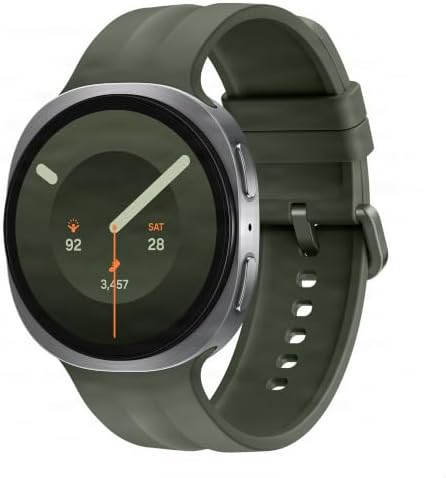
Google takes the opposite route. The Pixel Watch 5 leans on a domed display that curves gently into the case, producing a pebble-like form that reads more like jewelry than instrumentation. The effect appears clearly in the Google Pixel Watch 5 (41 mm) Wi-Fi, where the Pyrite case and Olive band let the domed glass catch light along its edge and soften the watch’s visual weight. The trade-off is practical: a single 41mm size means the fit is either right or it is not, with no second option to fall back on.
Battery Real Estate and Charging Rhythm
Battery capacity is where case size stops being an aesthetic question and becomes a daily usability issue. Samsung’s decision to fit a 390mAh cell into the 40mm Galaxy Watch9 gives the smaller model a meaningful advantage over its predecessors, and the 44mm version benefits from the same generation of power management. For users who track sleep continuously, run GPS workouts, and keep notifications flowing, that reserve translates into fewer mid-day top-ups.
The Pixel Watch 5’s single-case strategy constrains how much battery Google can fit. A 41mm domed body leaves less internal volume for a cell than a 44mm flat case, so buyers who prioritize multi-day endurance should weigh that limitation carefully. Neither watch promises week-long runtime, but the Galaxy Watch9’s larger enclosure gives it more headroom for the always-on display and continuous heart monitoring that define modern smartwatch use.
Health Sensors and Coaching Depth
Samsung positions the Galaxy Watch9 around sleep and heart management coaching, and the brand’s own materials frame the watch as a wellness companion rather than a pure fitness logger. That positioning shows up in the way the software surfaces recovery scores, sleep-stage breakdowns, and cardiovascular insights over time. Buyers browsing the Galaxy Watch9 lineup will find these features built into both case sizes, so the coaching experience does not depend on buying the larger model.
Google’s approach centers on comprehensive health and fitness tracking paired with Gemini, the company’s AI assistant. The practical difference is conversational: Pixel Watch 5 users can ask questions about their data and receive contextual answers rather than digging through nested menus. For buyers who value explanation over raw dashboards, that is a genuine advantage. For buyers who want deep, longitudinal health metrics with structured coaching, Samsung’s framework is the more developed path.
Software Ecosystem and Phone Compatibility
Samsung publishes clear compatibility guidance: the Galaxy Watch9 works with phones running Android 13.0 or higher and equipped with at least 1.5GB of RAM. That openness means the watch is not locked to Galaxy phones, which broadens its appeal for Android users on other brands. The Samsung ecosystem still delivers the deepest integration, particularly for Galaxy phone owners who want synchronized notifications, camera control, and health data flowing between devices.
Google’s Pixel Watch 5 is designed to shine brightest when paired with a Pixel phone. The Gemini integration, gesture controls, and Fitbit-derived tracking all sit within Google’s software stack, and the experience is cohesive in a way that third-party Android pairings rarely match. Buyers on a Pixel device will find the watch feels like an extension of the phone. Buyers on other Android hardware should confirm feature parity before committing, because some conveniences are tied to the Pixel family.
Connectivity, Sizing, and Long-Term Ownership
Connectivity is a straightforward decision point. Samsung offers Bluetooth and LTE variants across the Galaxy Watch9 line, so users who want to leave the phone behind during runs can choose the cellular model. The LTE Silver configuration pairs that freedom with a finish that resists showing fingerprints. Google’s regional lineup includes Wi-Fi and cellular options, but availability varies by market, which adds a step to the buying process for travelers or import buyers.
Long-term ownership favors Samsung on paper. The UK version of the Galaxy Watch9 carries a three-year warranty, a detail that matters for a device worn daily and exposed to sweat, temperature swings, and impact. The Galaxy Watch9’s stated operating range extends from 5F to 131F, according to Samsung’s specifications, which covers most outdoor use cases without drama. The Google Pixel Watch 5 competes on design cohesion and assistant intelligence rather than durability guarantees, and buyers should factor that into how roughly they intend to wear the watch.
Which Buyer Belongs to Which Watch
The decision comes down to priorities. Choose the Galaxy Watch9 if you want two case sizes, a larger battery in the smaller model, LTE flexibility, a three-year warranty on the UK version, and health coaching that digs into sleep and cardiovascular trends. It suits runners, gym users, and anyone who treats a smartwatch as a training and recovery tool. The cushion case and flat profile also make it the better pick for wrists that dislike domed glass catching on sleeves.
Choose the Pixel Watch 5 if you own a Pixel phone, value Gemini’s conversational assistance, and prefer a watch that reads as jewelry rather than equipment. The domed display and single 41mm case create a cohesive, elegant object that disappears into daily wear. Accept the battery trade-off and the single-size fit as the price of that design discipline. Neither watch is universally better; the right answer depends on whether your wrist and routine call for capability or cohesion.
Both watches show how far wrist computing has moved beyond step counting. The Galaxy Watch9 treats the wrist as a health console with room for expansion, while the Pixel Watch 5 treats it as a personal interface with a human voice behind it. Understanding which vision matches your day is the real purchase criterion, and it is the one that will keep you satisfied long after the unboxing.