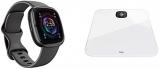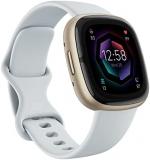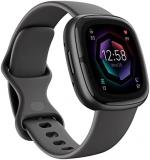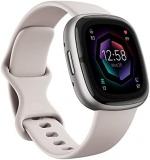
The Fitbit Sense 2 redefines personal health monitoring by packing an impressive array of sensors and analytical tools into a slim, sophisticated package. Unlike standard fitness trackers, this smartwatch focuses sharply on wellness, marking a significant step in wearable stress management technology. From a redesigned ECG app to continuous electrodermal activity (cEDA) scanning, the device addresses both physical and mental well-being with unprecedented precision.
The core appeal of the Fitbit Sense 2 lies in its comprehensive health specification sheet. It incorporates a multi-path optical heart rate sensor, an SpO2 sensor for blood oxygen estimation, a skin temperature sensor, and a small, yet powerful, cEDA sensor. Combined with a built-in GPS and a microphone for voice assistant controls, the device supports a full day of intense tracking without feeling invasive. Battery life remains robust at six plus days, making it a reliable partner for uninterrupted health insight.
Health-First Hardware in the Fitbit Sense 2 Specs
At the heart of the advanced health suite is a focus on stress. The cEDA sensor detects sympathetic nervous system responses, allowing the watch to surface daily stress management scores. An electrodermal activity (EDA) scan app is available for guided mindfulness sessions. On the cardiovascular front, this model offers an on-wrist ECG app for atrial fibrillation assessment. For night-time recovery, users can access detailed sleep stages, a nightly Sleep Score, and a Smart Wake alarm. These features are not merely speculative extras; they represent a genuine effort to bring clinical-grade tools to the consumer market.
Integrating advanced tracking features like those found on the feature-rich Fitbit Charge 6 into the wider fitness ecosystem, the Sense 2 also provides over 40 exercise modes. It automatically recognises your chosen workout and records key metrics like active zone minutes, pace, and distance. The built-in GPS provides accurate pace and distance metrics without a phone butting in, while the SpO2 and skin temperature sensors add in-depth recovery data. The combination of health and fitness tools makes this an appealing choice for users who refuse to compromise on health analytics versus physical training data.
Display, Design and Everyday Usability
According to the official Fitbit Sense 2 specs, the display measures 1.51 inches with a 244 x 201-pixel resolution. The AMOLED colour touchscreen is always-on capable and shielded by Corning Gorilla Glass 3. Paired with an aluminum case and comfortable silicone band options, the design balances elegant aesthetics with durable construction, staying water-resistant to 50 metres. This combination works well for swimming laps or running in the rain without worry. The user interface has been streamlined with a physical side button, a major improvement over the all-touch predecessor, allowing easier navigation during a sweaty workout.
Software-wise, the device benefits from deep integration with Google services via the Sense 2. This includes Google Maps for turn-by-turn directions, Google Wallet for contactless payments, and Google Assistant for quick voice commands. Sync is handled through the updated user experience on both Android and iOS platforms. Fitbit Premium is essential for unlocking the deepest levels of insights including the Daily Readiness Score and detailed wellness reports, significantly enhancing the value proposition of owning this smartwatch.
How the Fitbit Sense 2 Specs Compare to Previous Models
| Feature & Selling Point | Fitbit Sense 2 | Fitbit Sense (1st Gen) |
|---|---|---|
| Stress Sensor | cEDA + EDA Scan | EDA Scan only |
| Operating System | Fitbit OS + Google Services | Fitbit OS (limited apps) |
| Navigation | Physical button | Capacitive button only |
| Core selling point | Google Maps & Wallet | General health suite |
The evolution from the original Sense to the Sense 2 shows two notable leaps: dedicated stress sensing and Google integration. The original couldn’t deliver Turn-by-Turn directions or rapid Wallet payments, making the second generation an essential upgrade for ecosystem users. The newer physical button alone resolves a common user complaint about accidental screen swipes
Making the Most of a Premium Health Watch
For users aiming to gain full leverage from the specifications, Fitbit Premium is almost a requirement. The free version stores basic metrics, but the premium tier calculates stress scores based on raw cEDA readings and offers guided programs for improving mental resiliency. Having these deep data reviews and readiness scores creates a more holistic understanding of how nutrition, sleep, and workout load interact under daily conditions. Considering the relatively small investment over the life of the product, Premium gives the Fitbit Sense 2 specs room to breathe and deliver meaningful change.
On a personal note, the Fitbit Luxe offers a stylish tracking option, while the Fitbit platform bridges the gap between functionality and fashion. The Sense 2 trades the jewellery-like focus of the Luxe for a comprehensive health analysis but doesn’t compromise on a professional clean look. It manages the trick of being a fitness-first smartwatch that doesn’t scream, but still invites wellness exploration. By focusing away from app breadth and towards health precision, it carves a reliable niche in a competitive market.
Wearing the Fitbit Sense 2 on a daily basis becomes a lesson in proactive health psychology. The persistent glance at the stress management tab or the immediate feedback from guided breathing fosters a habit of self-awareness. This isn’t just a tool for data collection; it builds a personal narrative about cardiovascular and mental health resilience. The Focus mode helps tune out notifications, encouraging productive hours, while its always-on display offers quick side-eyes at heart rate and steps without unlocking.
The future of personal health at the wrist looks promising if tools like the Sense 2 continue to merge medical-class sensors with seamless user experience. As the wearable industry edges forward, the emphasis on stress detection and recovery analysis could standardise how people view their daily well-being beyond step counts. For now, the Fitbit Sense 2 stands as a capable companion for anyone ready to take their health monitoring to a more systemic and aware level.