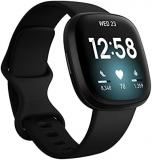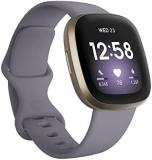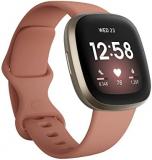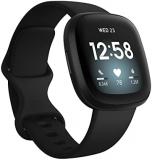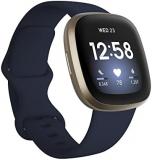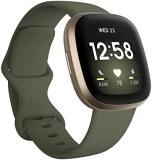
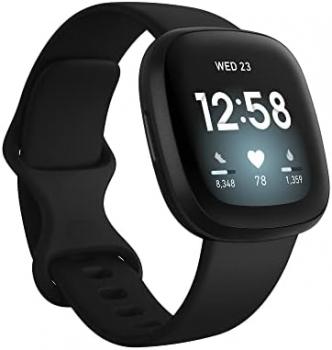
The decision between the Fitbit Versa 3 and the Fitbit Versa 2 often comes down to understanding the subtle yet significant technological leaps made between these two generations. Both smartwatches represent key moments in Fitbit’s evolution, designed to seamlessly blend wellness tracking with everyday convenience. For anyone evaluating an upgrade or a first-time entry into the Fitbit ecosystem, a detailed comparison of their core features is essential.
At first glance, the design language of both models carries a familiar, sleek aesthetic. However, a closer inspection of the hardware reveals the defining differentiator: the built-in GPS receiver introduces a level of autonomy that the earlier model simply could not match. This single addition transforms the workout experience, allowing users to track pace, distance, and route on runs or bike rides without being tethered to a smartphone. The Versa 2 relies solely on connected GPS, which can be less accurate and drains the phone’s battery.
The addition of an onboard speaker and microphone in the newer model further enhances its utility. This hardware change enables users to take quick phone calls and respond to text messages directly from their wrist using voice commands, a feature powered by the Google Assistant. In contrast, the Versa 2 lacked this audio relay capability, limiting its hands-free potential. For those deeply invested in total health management, including Fitbit devices with advanced sensors can provide a more comprehensive picture of daily wellness.
Beyond the hardware ports, the display technology received a welcome upgrade. The Versa 3 boasts a larger, slightly curved AMOLED screen with a higher resolution. This change makes the device feel more modern and immersive during daily use, whether checking notifications or viewing fitness stats. The increased brightness and screen real estate make navigating the user interface a more fluid experience compared to the Versa 2’s excellent but smaller panel.
Battery performance remains a strong point for both devices, but optimization differs. The Versa 3 achieves its six-plus day battery life even while managing the power-hungry always-on display mode and integrated GPS. This represents efficient engineering, matching the longevity of its predecessor while offering far more autonomous tracking capabilities. The Versa 2, also offering up to six days, remains a reliable daily companion but lacks the power management tailored for non-connected satellite tracking.
Health sensor technology saw a substantial revamp in the Versa 3. Both smartwatches feature heart rate monitoring, sleep tracking, and SpO2 sensors, but the newer model’s sensor array is more advanced. The addition of a red and infrared sensor allows for more accurate active heart rate measurements and enhances the Active Zone Minutes feature that motivates users to reach specific heart rate zones. This was a noticeable step forward compared to the features available on the earlier generation, like the Fitbit Versa 2 for daily wellness tracking.
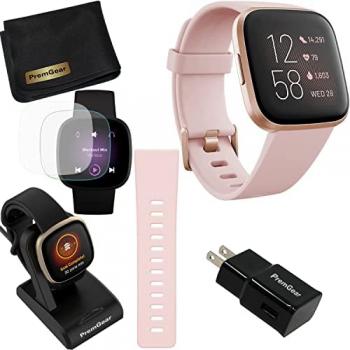
One of the most practical everyday improvements is the charging mechanism. The Versa 3 introduced a proprietary magnetic quick-release charger that snaps onto the back, replacing the awkward clip-on cradle used by the Versa 2. This design shift means the watch can charge from zero to full in approximately one and a quarter hours, significantly faster than its predecessor. This efficiency reduces the time the device spends off the wrist, ensuring continuous wear and data collection.
Switching between devices for syncing data is also more seamless on the newer model. While both watches sync effortlessly with iOS and Android devices, the Versa 3’s updated chipset allows for faster connectivity updates. This speed improvement, combined with the Google Assistant integration and on-wrist Bluetooth calling, positions the Versa 3 as a more complete smart communication tool, fulfilling a broader vision of what a health smartwatch can be in a connected world. For users seeking the latest iteration of this design philosophy, exploring the Versa 4 collection reveals how this feature set has continued to evolve.