When it comes to fitness trackers and smartwatches, Fitbit is one of the most trusted brands in the industry. Among their latest offerings are the Fitbit Versa 4 and the Fitbit Sense 2, both of which boast advanced features designed to help users track their health and stay connected. But with such similar features and design, how do you decide which one is the right fit for you? Let’s break down the key differences between the Fitbit Versa 4 and the Fitbit Sense 2 to help you make an informed decision.
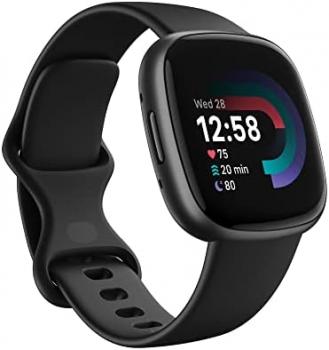
First, let’s talk about the core differences in design. The Fitbit Versa 4 offers a sleek and minimalist design that has become synonymous with the Versa series. It features a lightweight, square-shaped case with a bright, full-color touchscreen display, making it easy to navigate through apps, notifications, and fitness data. It’s also available in a variety of colors, so you can choose a look that suits your style. The Versa 4 is ideal for users who prefer a watch with a more traditional design but still want the advanced features of a modern smartwatch.

Best-Matched Comparison Picks
Fitbit Official Versa 3/4, Sense 2 Sport Band, Watermelon/Orange - Large See Price on Amazon.co.ukOn the other hand, the Fitbit Sense 2 has a more premium, rounded design, and it comes with a stainless steel case that gives it a more sophisticated look. The Sense 2 also features a larger display, which is slightly curved to give it a more sleek and polished feel. The Sense 2 has a more premium look and feel, making it perfect for users who want a smartwatch that can easily transition from the gym to formal settings without missing a beat.
When it comes to health and fitness tracking, both the Fitbit Versa 4 and Fitbit Sense 2 are equipped with the essential features that you expect from Fitbit, such as heart rate monitoring, step counting, and sleep tracking. However, the Fitbit Sense 2 stands out with its advanced health tracking features, including the addition of an electrocardiogram (ECG) sensor, which can monitor heart health and help detect signs of atrial fibrillation. This feature is not available on the Fitbit Versa 4, making the Sense 2 a better choice for users who want more in-depth health tracking.
Another key difference is the stress management features. The Fitbit Sense 2 includes an EDA (electrodermal activity) sensor, which measures your body’s response to stress by detecting changes in sweat levels. This allows users to perform guided breathing exercises to help manage stress in real-time. While the Fitbit Versa 4 offers some stress management features, the Sense 2’s EDA sensor and guided breathing are much more advanced, making it the ideal choice for users who want to focus on mental wellness.
The Fitbit Versa 4, however, has an advantage when it comes to battery life. With up to 6 days of battery life, the Versa 4 can last longer than the Sense 2, which typically lasts around 2-3 days depending on usage. If you’re someone who’s always on the go and doesn’t want to worry about charging your smartwatch frequently, the Versa 4 may be the better choice. This is especially true if you use your watch for regular fitness tracking and don’t need the advanced sensors that the Sense 2 offers.
In terms of functionality, both the Fitbit Versa 4 and Fitbit Sense 2 offer excellent integration with the Fitbit app, allowing you to track your progress, monitor your fitness goals, and receive detailed insights into your health data. Both watches also offer smart notifications, music controls, and GPS tracking for outdoor activities. However, the Sense 2 goes a step further with additional health-focused features, such as stress management tools and more comprehensive sleep tracking.
Ultimately, the decision between the Fitbit Versa 4 and Fitbit Sense 2 comes down to your specific needs. If you’re looking for a smartwatch with a traditional design and longer battery life, the Fitbit Versa 4 is an excellent option. However, if you want advanced health tracking features, such as ECG and EDA sensors, along with a more premium design, the Fitbit Sense 2 is the way to go. Both watches offer exceptional fitness and wellness tracking, so whichever you choose, you’ll be getting a smartwatch that helps you take control of your health and fitness journey.


![(Guess Watch) Guess Guess Watches Ladies Fame Women's Analog Display Quartz Table Same Stainless Steel Child GW0508L2 [Parallel Import], Bracelet Type](http://www.donysterling.co.uk/images/202501/thumb_img/78626_thumb_G_1737710286550.jpg)