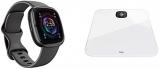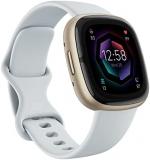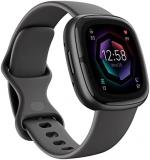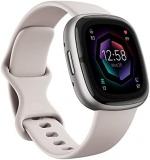
The Fitbit Sense 2’s integration of Google Assistant represents a pivotal step in merging proactive health management with seamless digital convenience. This feature allows users to set reminders, control smart home devices, send messages, and get answers, all through voice commands without interrupting a workout or daily flow. It addresses the modern need for a wearable that doesn’t just monitor but actively assists, positioning the device as a central node in a connected, health-conscious lifestyle. This integration marks a significant evolution for the health-focused Fitbit, blending its core wellness tracking with the expansive utility of a major voice assistant.
At its foundation, the Sense 2 is built upon an advanced sensor array designed for deeper physiological insights. The continuous EDA (Electrodermal Activity) sensor app, which scans for potential signs of stress, is complemented by a new cEDA (continuous EDA) algorithm that runs in the background. This, alongside the always-on heart rate tracker, skin temperature sensor, and detailed sleep staging with Sleep Score, creates a multi-dimensional picture of well-being. Unlike simpler trackers like Fitbit Charge 6 for daily fitness, the Sense 2 is engineered to be a comprehensive health hub on the wrist.
The hardware design of the Sense 2 supports its dual identity as a health tool and a smart accessory. Its aluminum case is lightweight yet durable, and the vibrant AMOLED display is bright and responsive to touch. The inclusion of an NFC chip for Fitbit Pay adds a layer of everyday practicality, allowing for contactless payments directly from the watch. This thoughtful combination of form and function ensures the device is suitable for 24/7 wear, from sleep tracking to boardroom meetings.
Activating Google Assistant is typically done through a long press of the side button or by enabling the “Hey Google” wake word. Once active, the assistant can pull information from the web, manage calendar events, or initiate phone calls. For health contexts, one can ask for definitions of medical terms, convert units for medication, or quickly set a hydration reminder. The inclusion of Google Assistant on the Fitbit Sense 2 transforms it from a passive data collector into an interactive, voice-commanded companion.
Beyond the smart features, the Sense 2 excels in its proprietary health software ecosystem. The Fitbit app provides a dashboard where all biometric data converges, offering trends, personalized insights, and guided programs like Mindfulness Sessions. The ability to correlate stress metrics from the EDA scan with heart rate variability and sleep data empowers users to identify personal triggers and patterns, fostering a more informed approach to mental and physical health management.
Battery life remains a strong suit, with the Sense 2 capable of lasting over six days on a single charge even with always-on display disabled and regular use of health sensors. This endurance is crucial for effective sleep tracking and continuous stress monitoring, which require overnight wear. The device’s efficiency ensures that the addition of power-intensive features like Google Assistant does not come at the cost of its core wellness tracking reliability.
For athletes and fitness enthusiasts, the Sense 2 offers built-in GPS for accurate pace and distance tracking without a phone, along with over 40 exercise modes. The post-workout analysis within the app provides detailed breakdowns of heart rate zones, active zone minutes, and a cardio fitness score (VO2 Max estimate). This data-rich approach helps users tailor their training intensity and monitor long-term fitness improvements with clinical precision.
The true vision of the Fitbit Sense 2 with Google Assistant is to create a holistic platform where well-being intelligence and digital assistance coexist effortlessly. It envisions a future where your watch not only warns you of an elevated stress response but can also, upon command, dim the lights, play calming music, and schedule a break in your calendar. It moves beyond tracking to facilitating a responsive and healthier daily rhythm, making advanced health insights accessible and actionable through the simple power of voice.